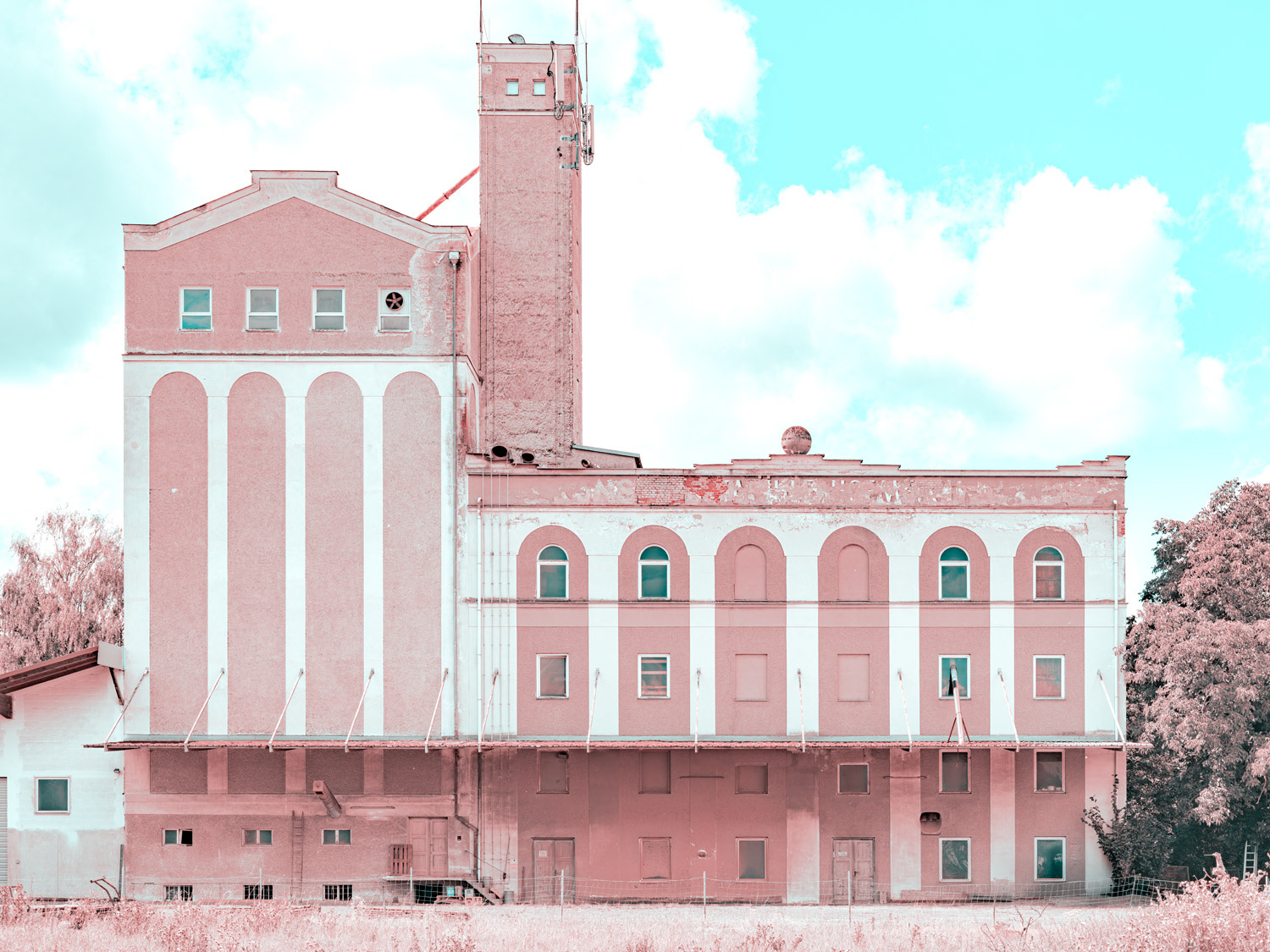
We are accustomed to seeing the factory as a presence that diminishes the quality of its surroundings: something to be relegated to the margins, separated, concealed or mitigated.
Yet certain places of work built between the late nineteenth and early twentieth centuries seem to suggest otherwise. Factories, workshops and infrastructures continue to give identity and dignity to their surroundings, even when they have partly or entirely lost their original function.
In the proportions of their façades, the rhythm of their windows, the choice of materials and their relationship with the street, a quality emerges that appears to exceed mere productive necessity. It is the trace of an approach to building in which private interests acknowledged, at least in part, a responsibility towards shared space.
This is not an attempt to idealise the industrial world that produced these buildings. Behind them lay economic interests, displays of power, paternalism and social control. Yet it is precisely this contradiction that makes their presence all the more significant.
These buildings have ceased to produce goods, but they have not ceased to generate value. They produce memory, belonging and urban quality.
My photographic research focuses on this persistence. It does not simply seek evidence of industrial archaeology or buildings belonging to the past, but the visible signs of a responsibility inherent in the act of building: the point at which architecture created for a productive purpose becomes part of the city and endures through time.
A building may belong to someone, but its presence belongs to everyone.
Through these traces, the past poses a question to the present: what will remain of the places we build today once the function for which they were created has come to an end?