DESTINIES_OF_IRON
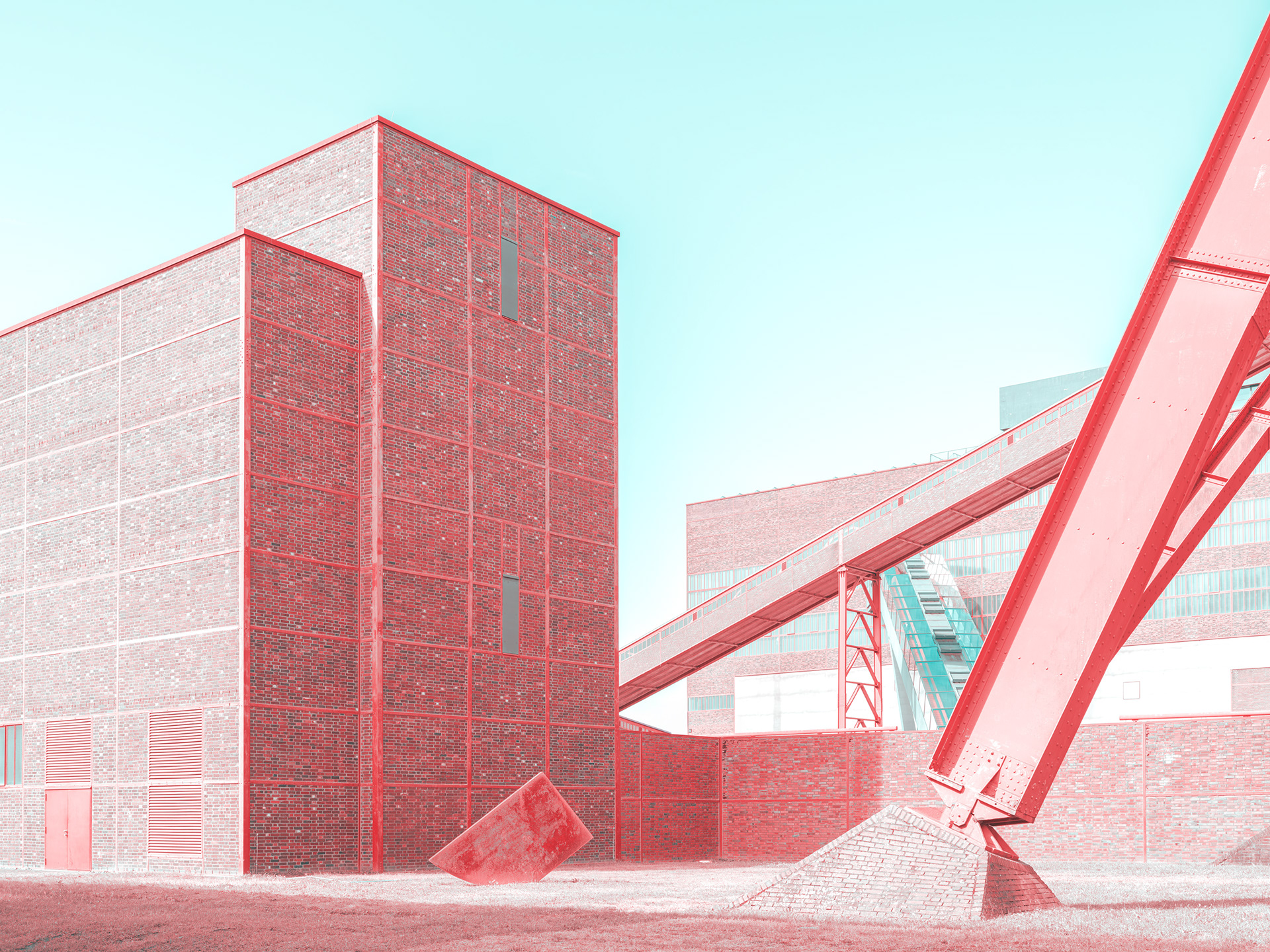
A photographic exploration of industrial architecture beyond its original function. Through three visual chapters, the project investigates permanence, transformation and autonomy as possible destinies of matter and space.
PROLOGUE
There are places that continue to exist
even after they have stopped being useful.
even after they have stopped being useful.
Built to function,
shaped by precise systems,
meant to endure.
shaped by precise systems,
meant to endure.
Then something breaks. Production stops.
People disappear.
Function dissolves.
People disappear.
Function dissolves.
But the structures remain.
Not as ruins in the classical sense,
but as suspended presences,
still charged with a logic that is no longer active.
but as suspended presences,
still charged with a logic that is no longer active.
In these places, time does not stop.
It changes direction.
It changes direction.
What was built for a purpose
enters an unforeseen phase.
enters an unforeseen phase.
This work observes that transition.
Not to document it,
but to question what happens
when what we built
no longer belongs to us.
but to question what happens
when what we built
no longer belongs to us.
Each place contains more than one possible outcome.
Persistence.
Transformation.
Autonomy.
Transformation.
Autonomy.
Three ways of existing beyond function.
Three possible destinies.
CHAPTER I
POETRY OF MATTER
"Persistence"
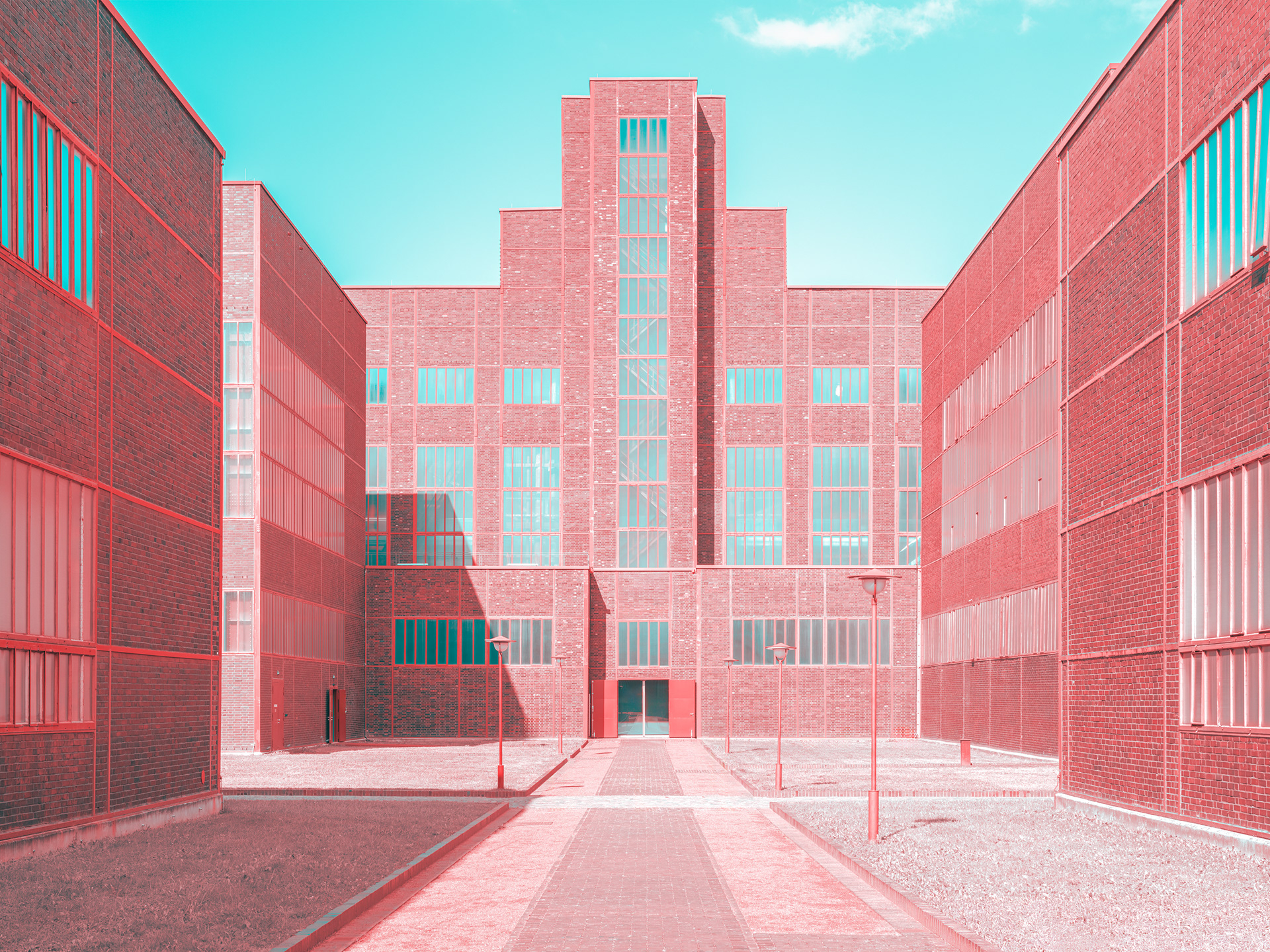
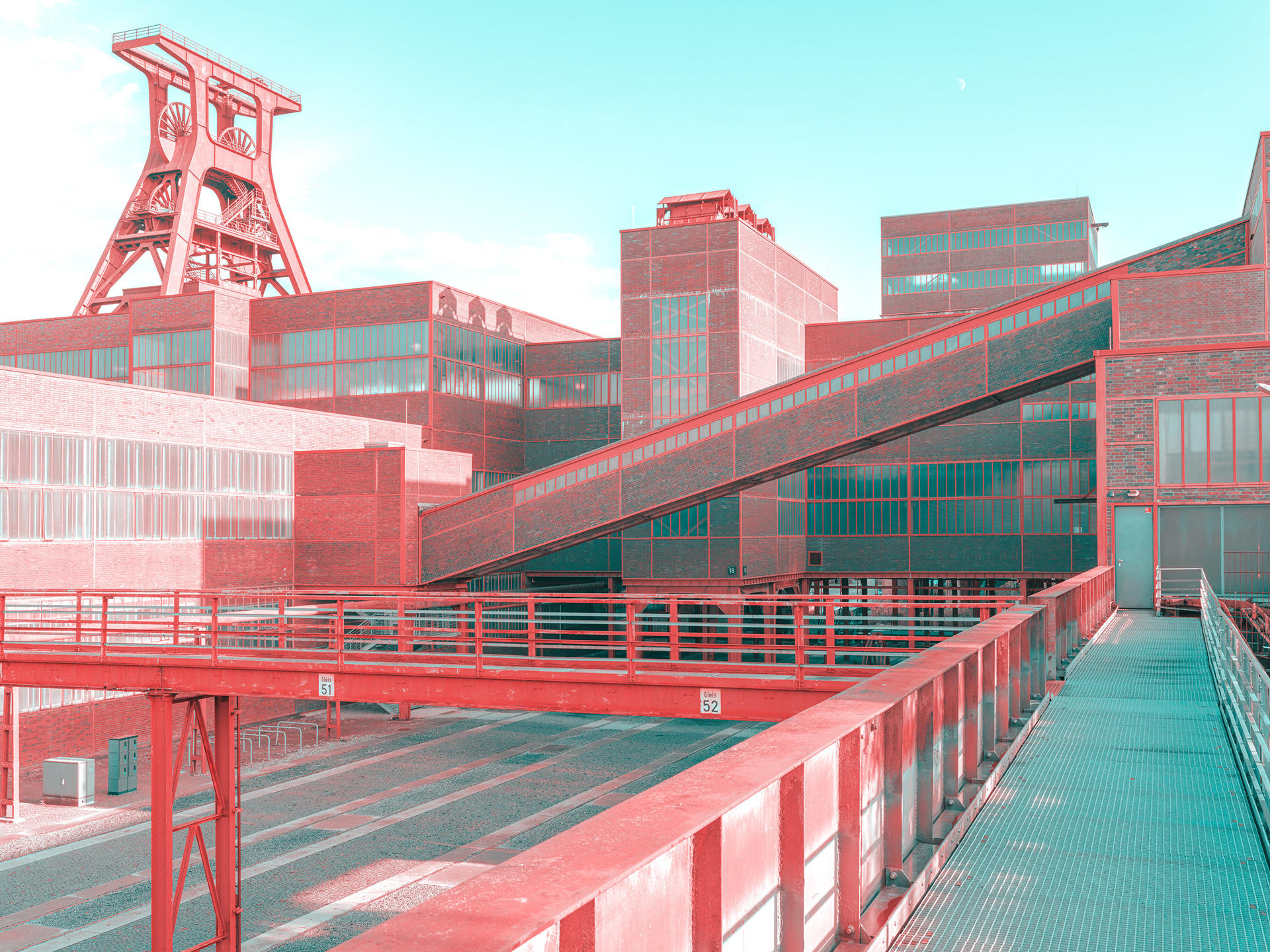
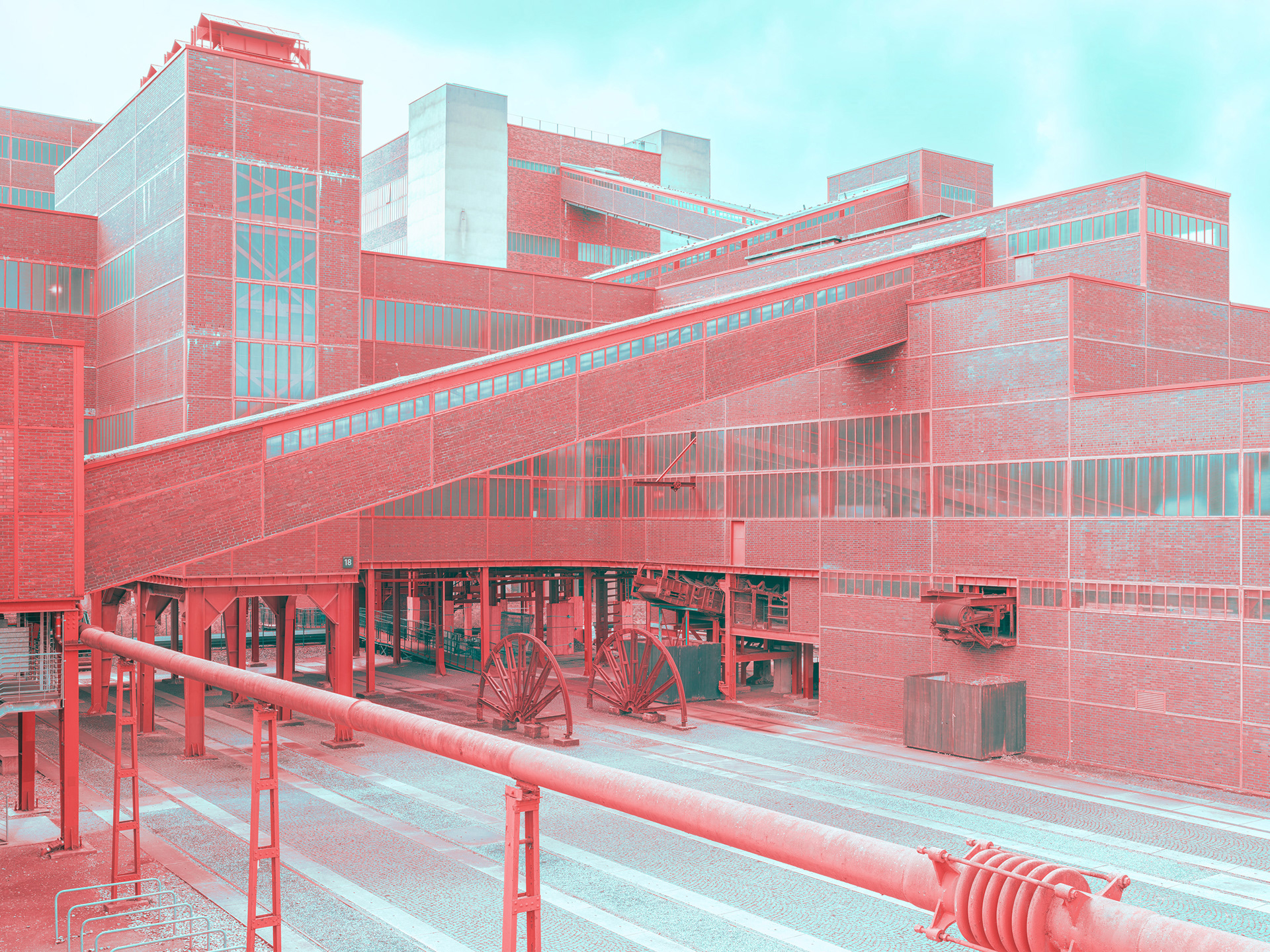
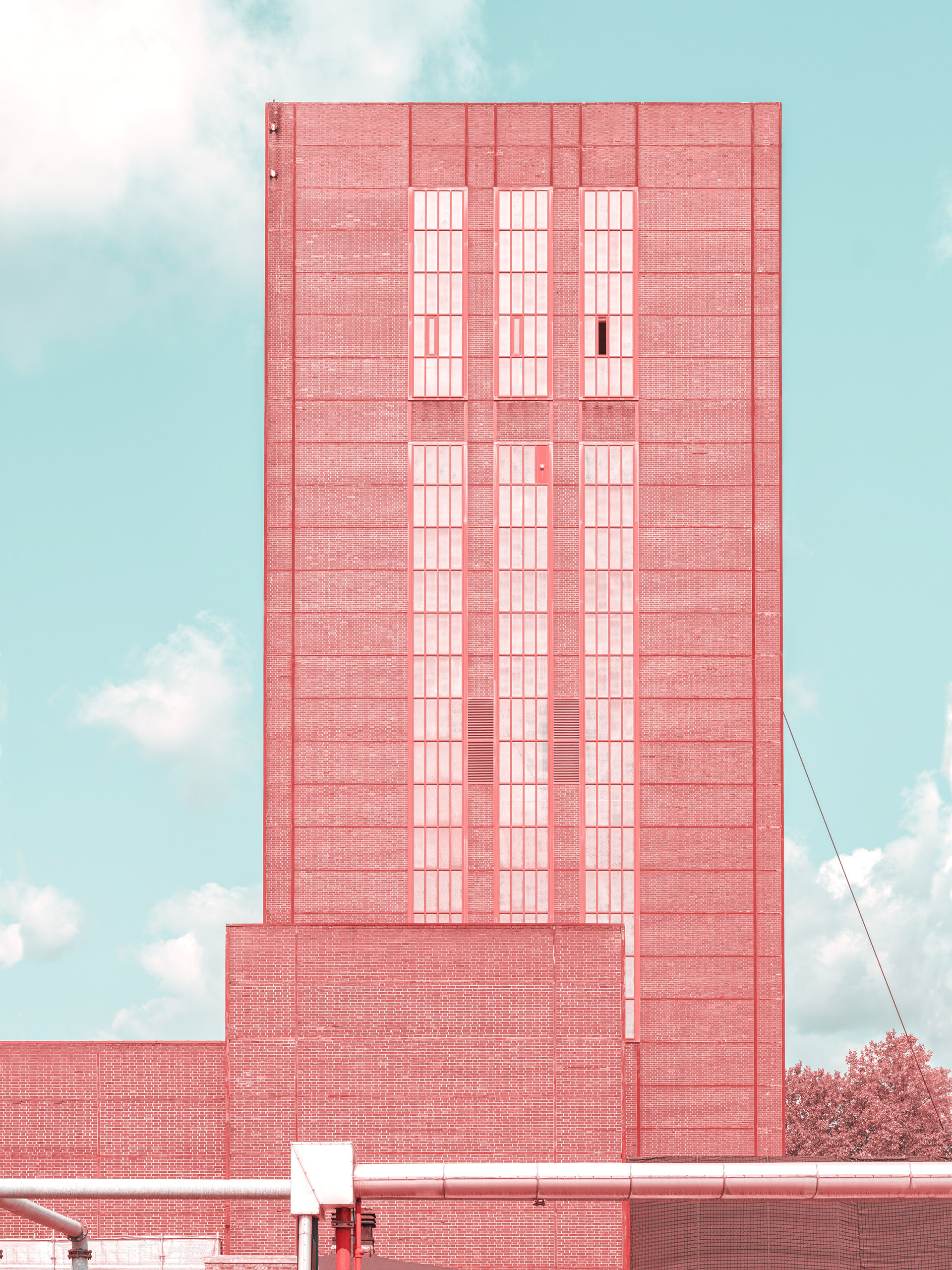
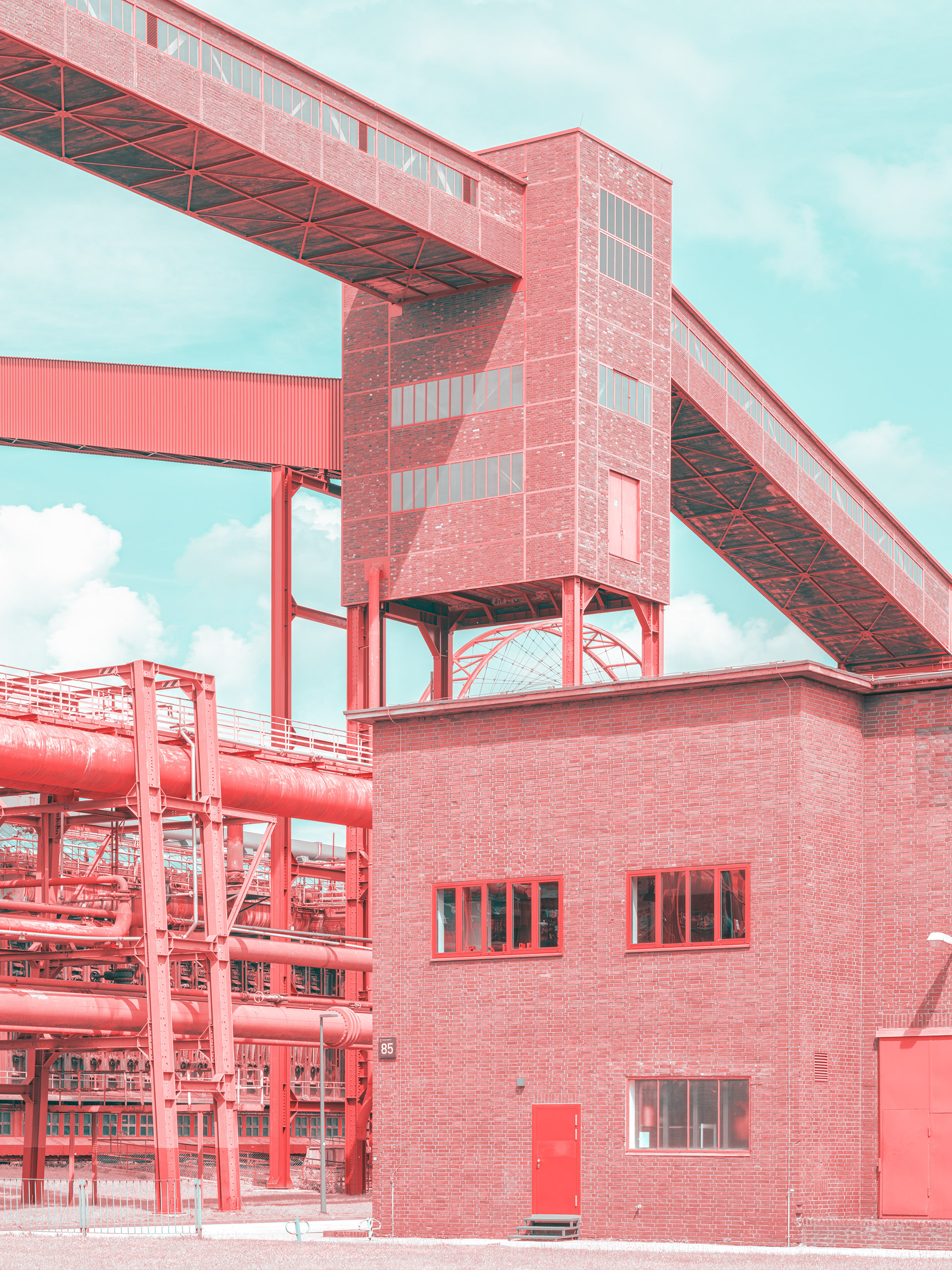
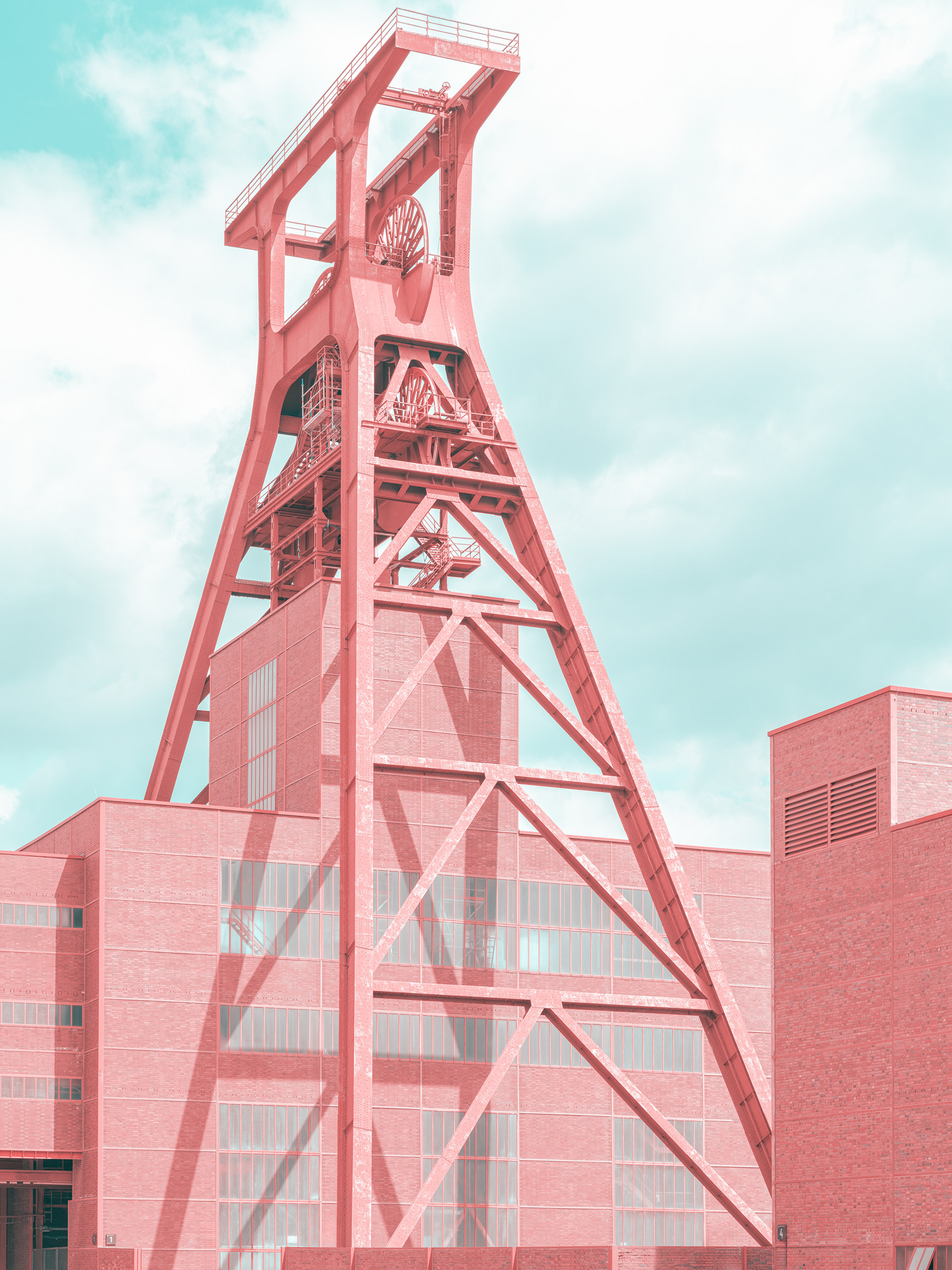
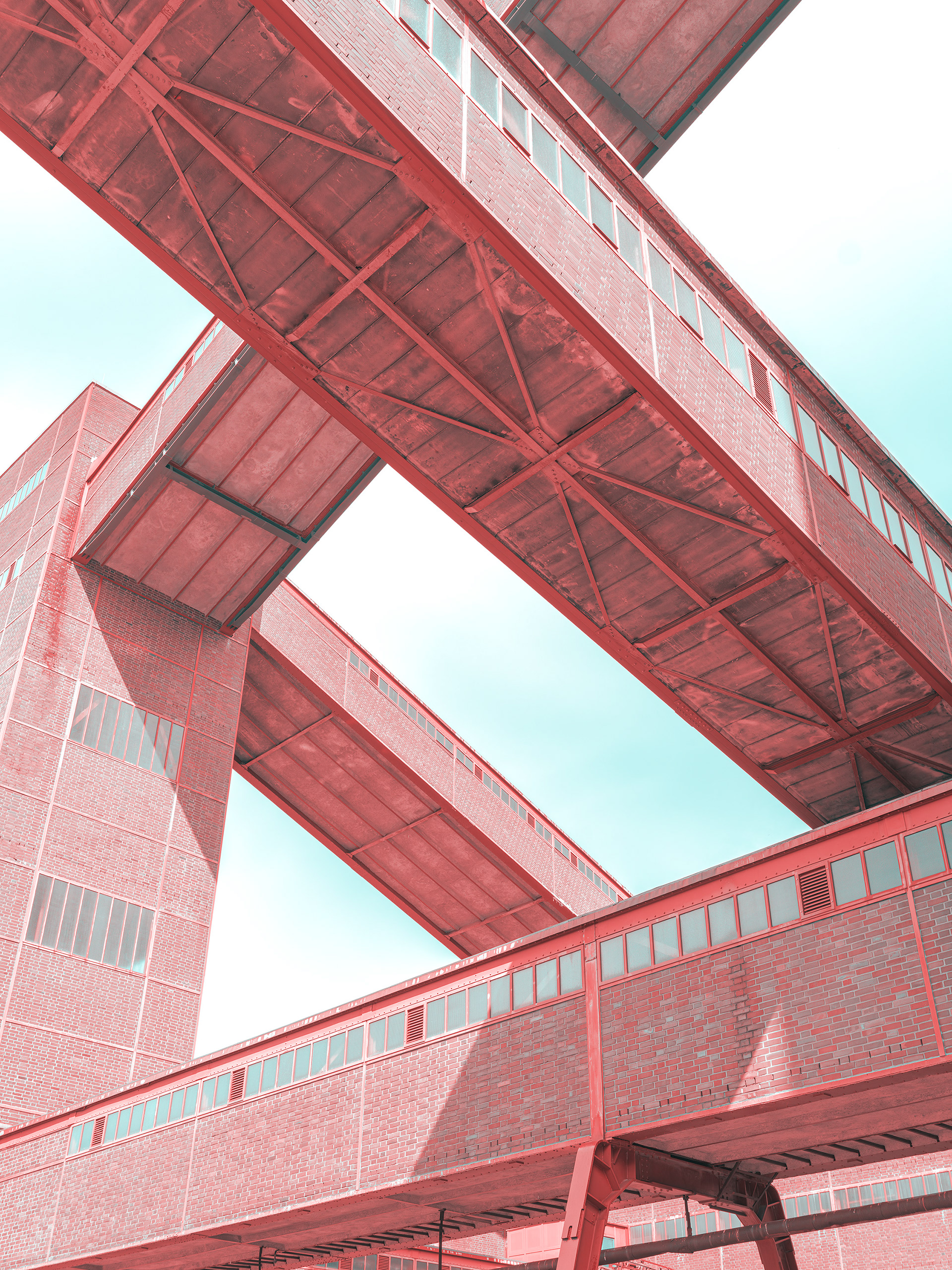
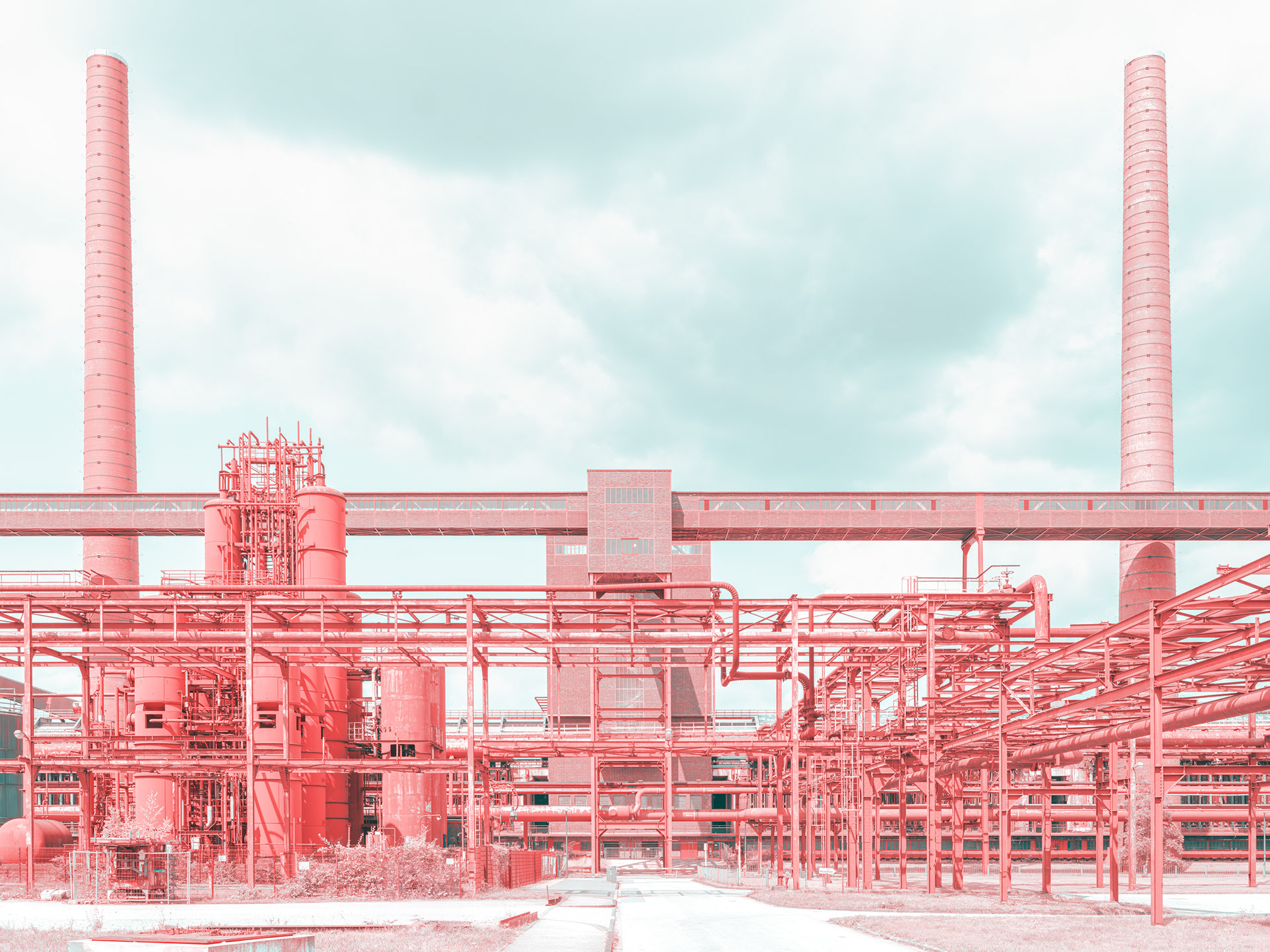
Here, function produced form, nothing is decorative.
Every element responds to a necessity.
Every element responds to a necessity.
These structures were not meant to represent,
but to operate, and yet, in this precision,
something exceeds function.
but to operate, and yet, in this precision,
something exceeds function.
The logic that generated them is no longer active.
The system has come to a halt, but the form remains, not as memory,
but as an autonomous presence.
The system has come to a halt, but the form remains, not as memory,
but as an autonomous presence.
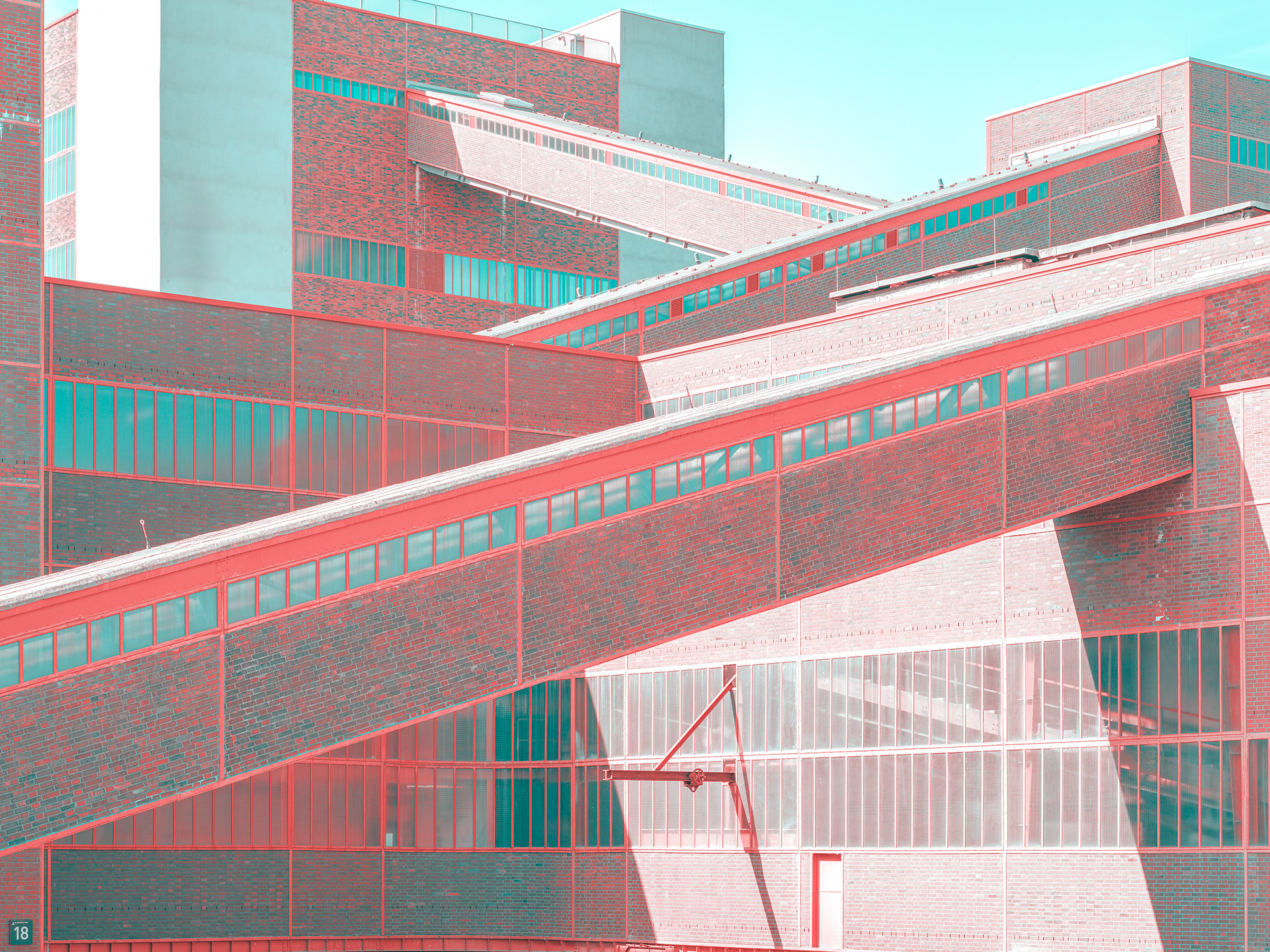
An order without purpose,
and for that very reason, visible.
and for that very reason, visible.
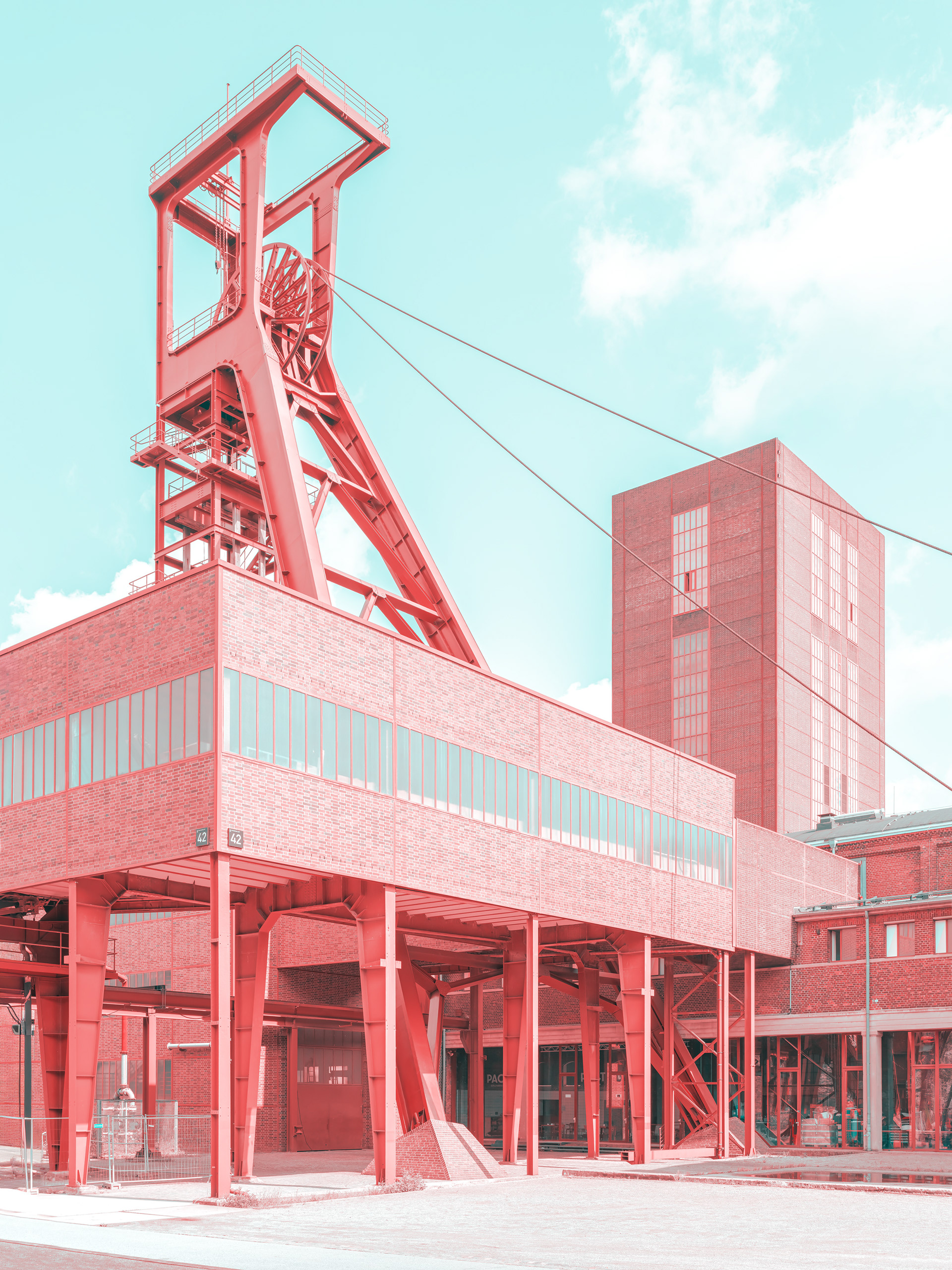
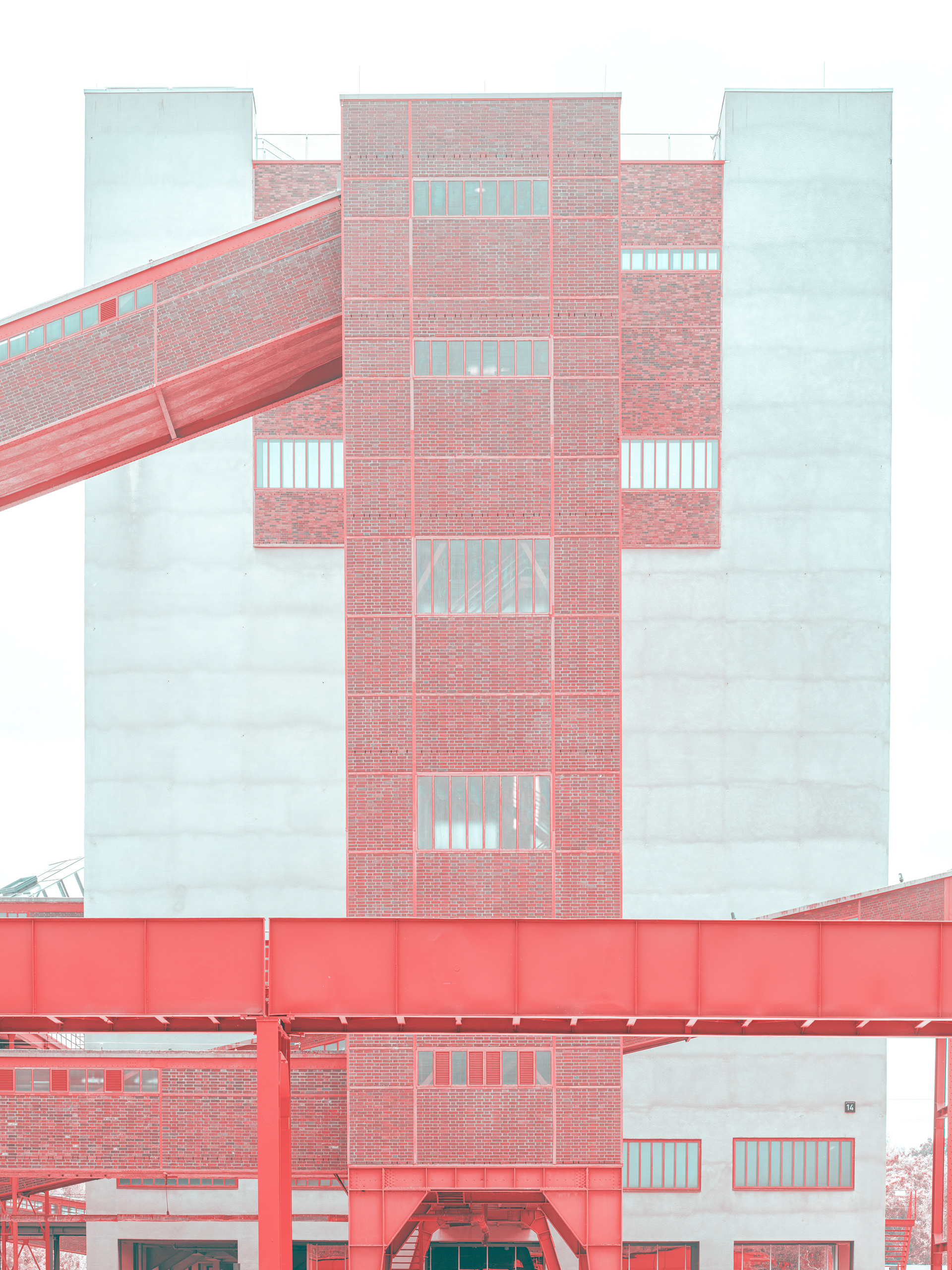
Here, architecture stops serving
and begins to exist, not as a symbol,
but as the result of a constructive thought.
and begins to exist, not as a symbol,
but as the result of a constructive thought.
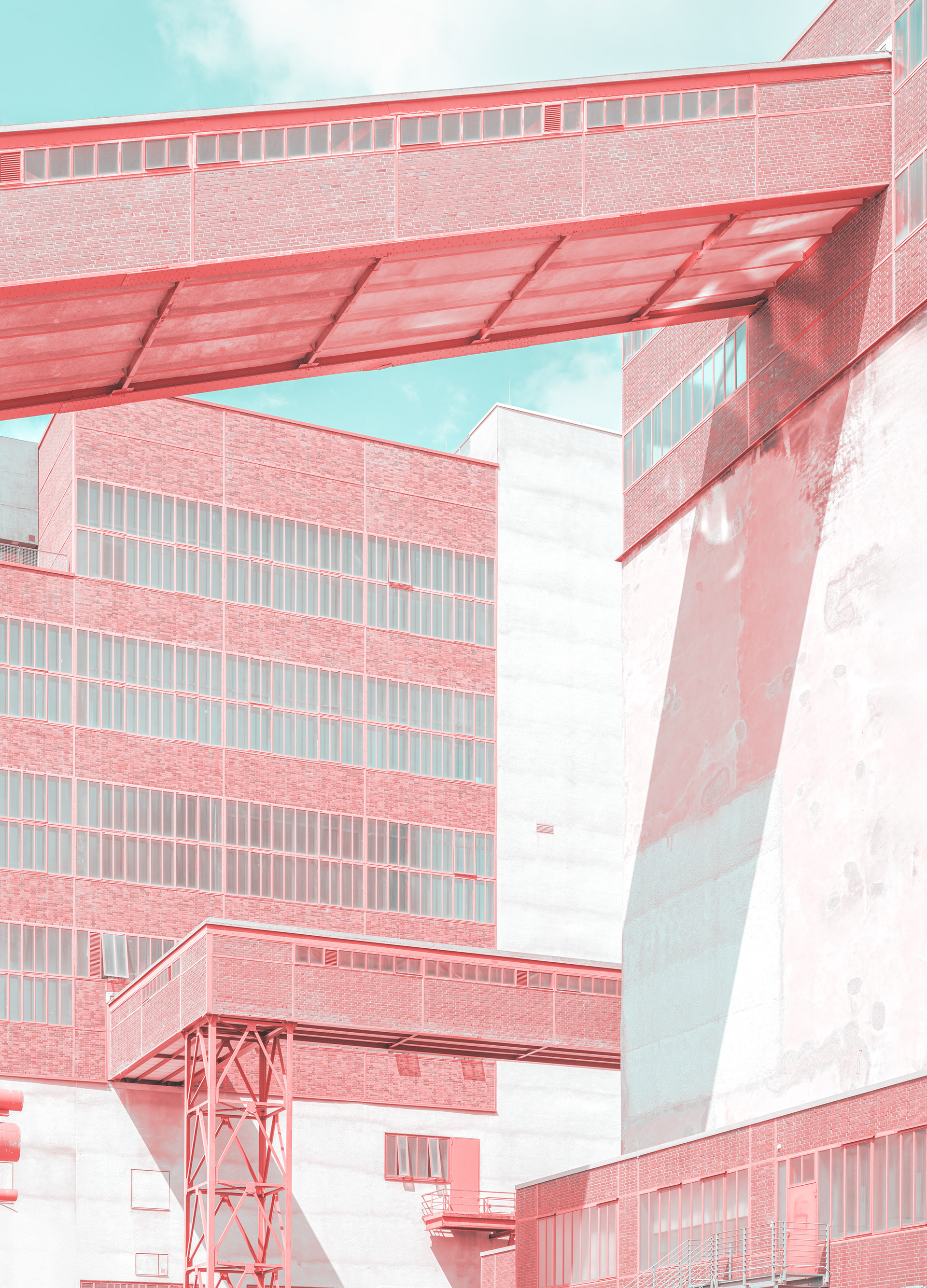
Form did not seek beauty.
It sought precision.
It sought precision.
What remains is beauty.
CHAPTER II
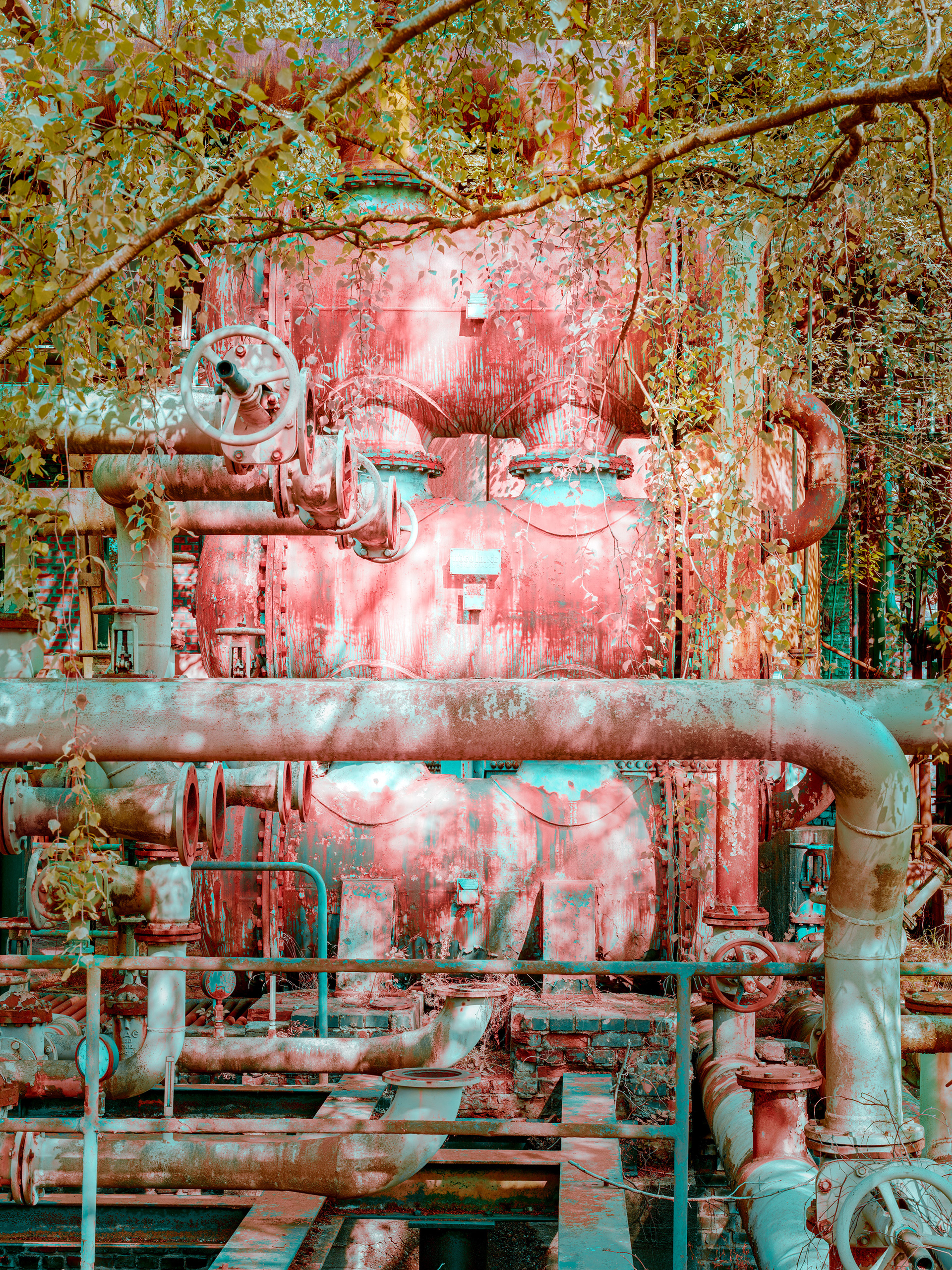
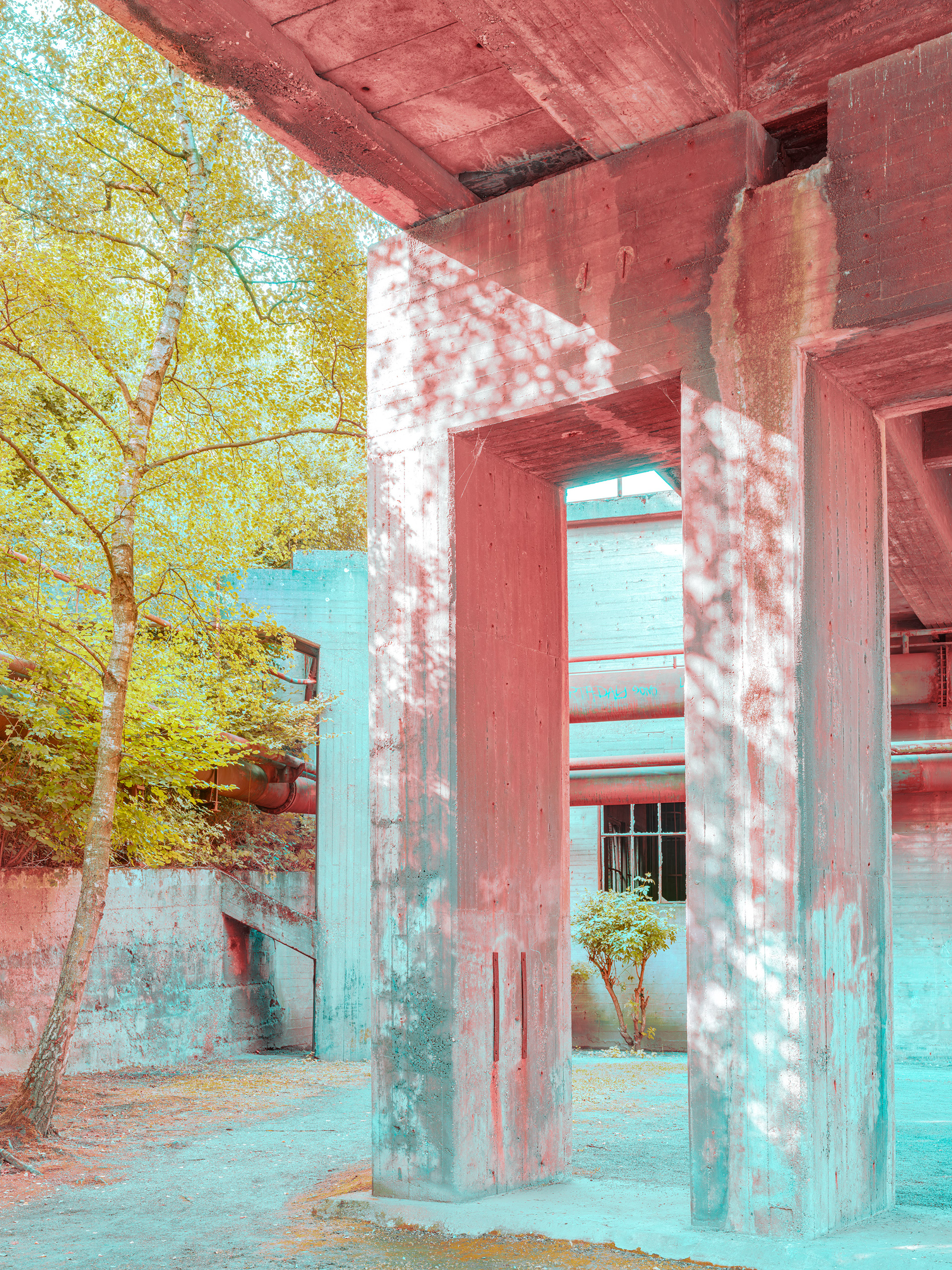
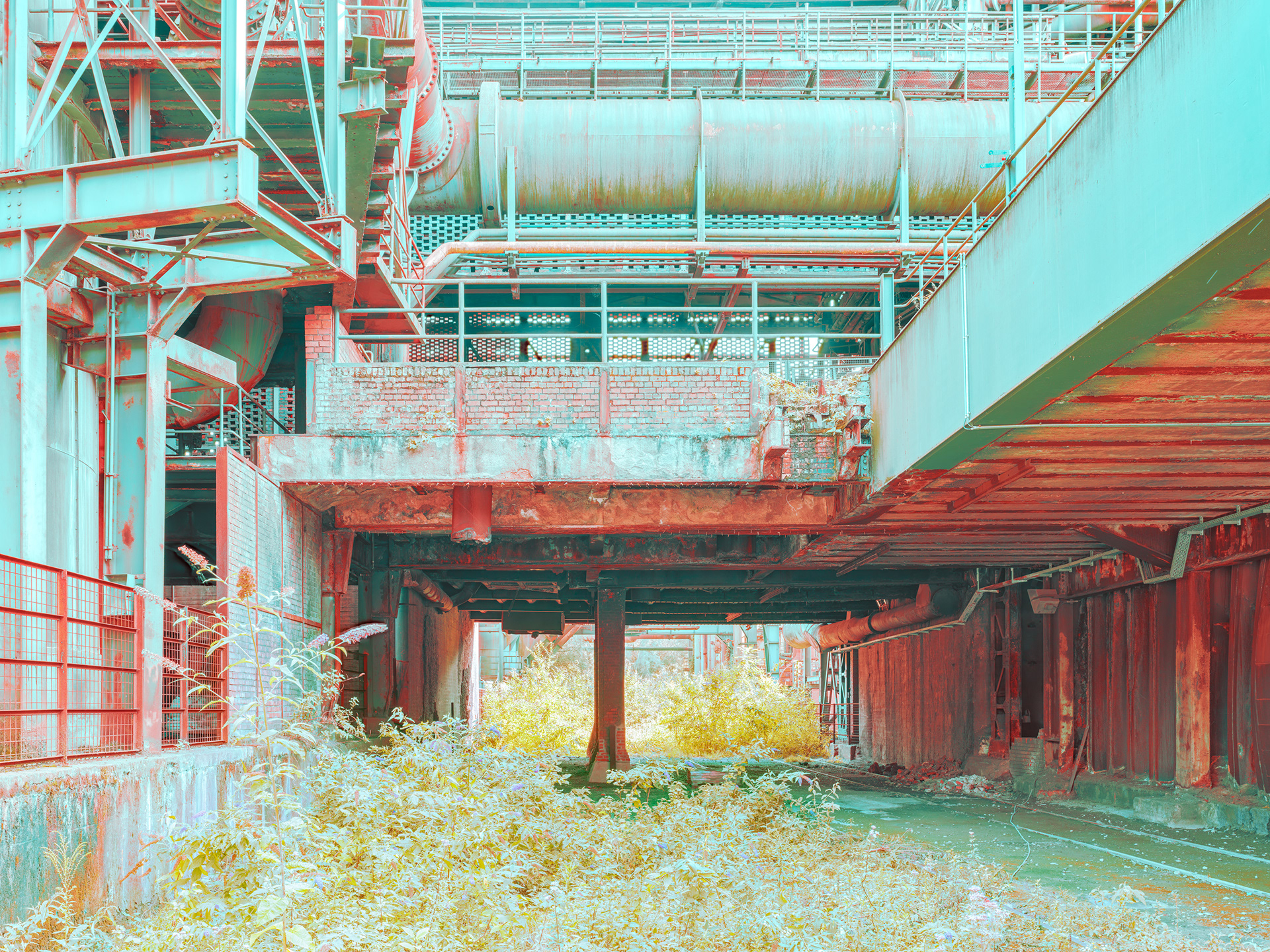
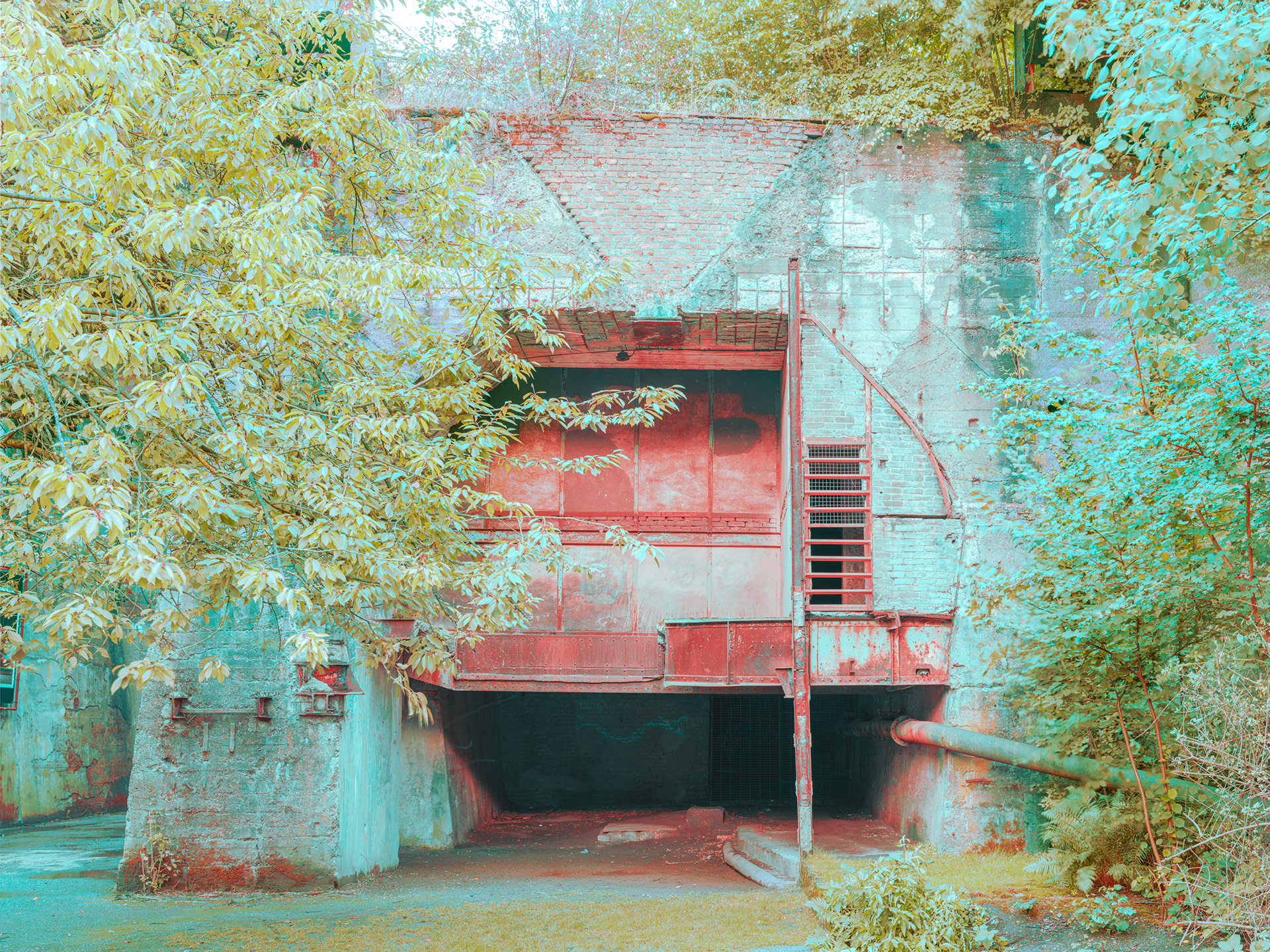
INDUSTRIAL JUNGLE
"Transformation"
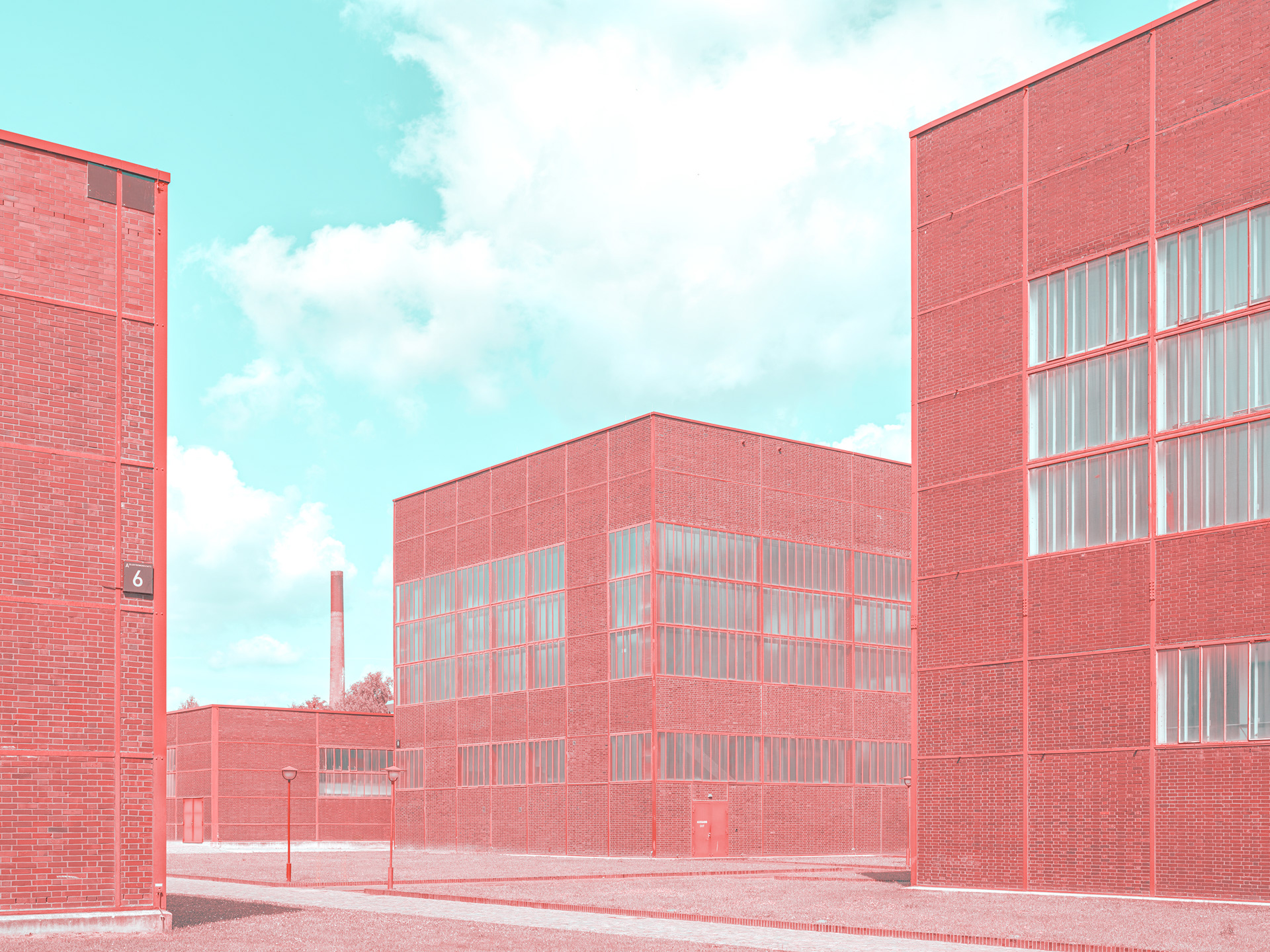
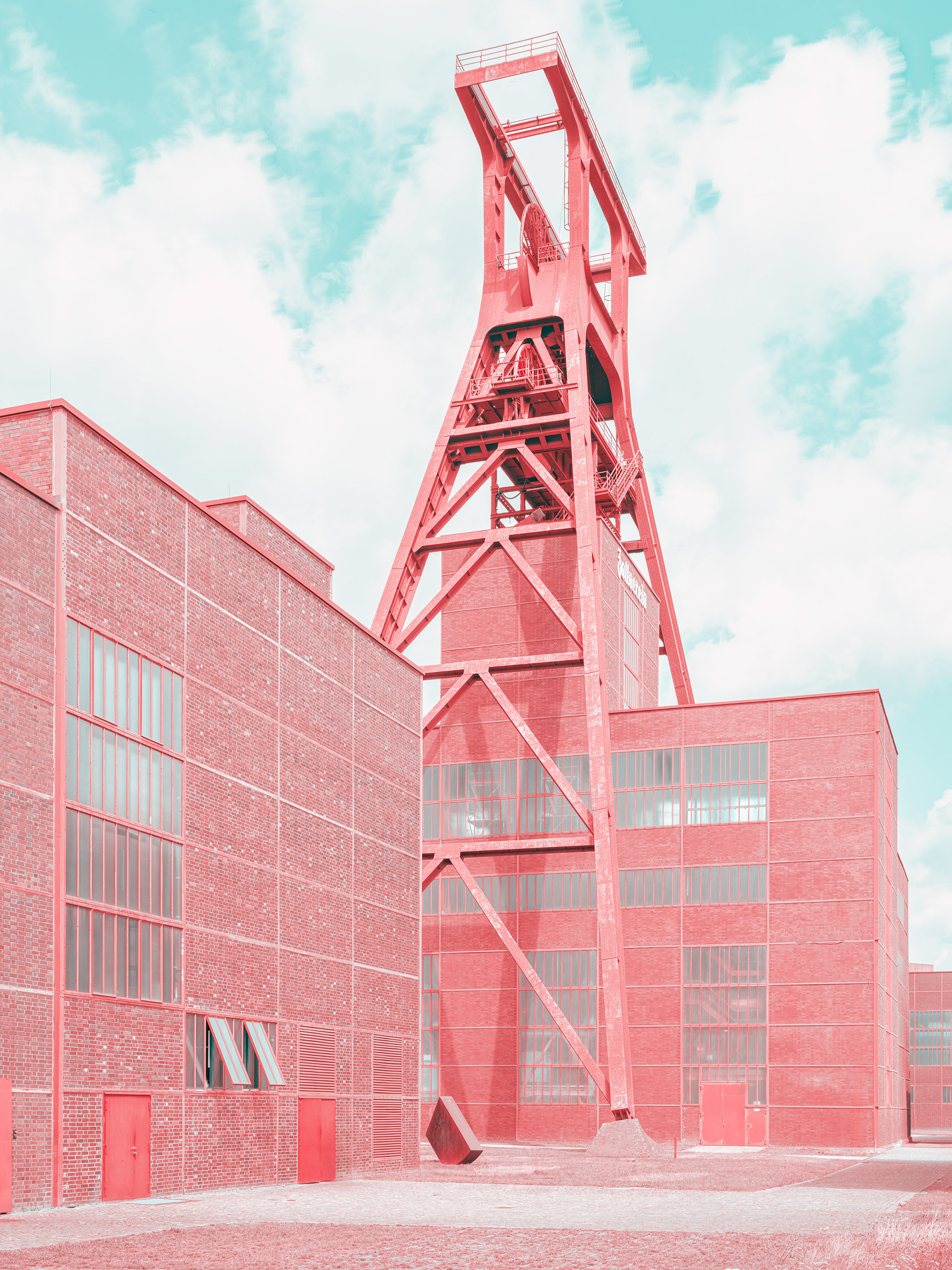
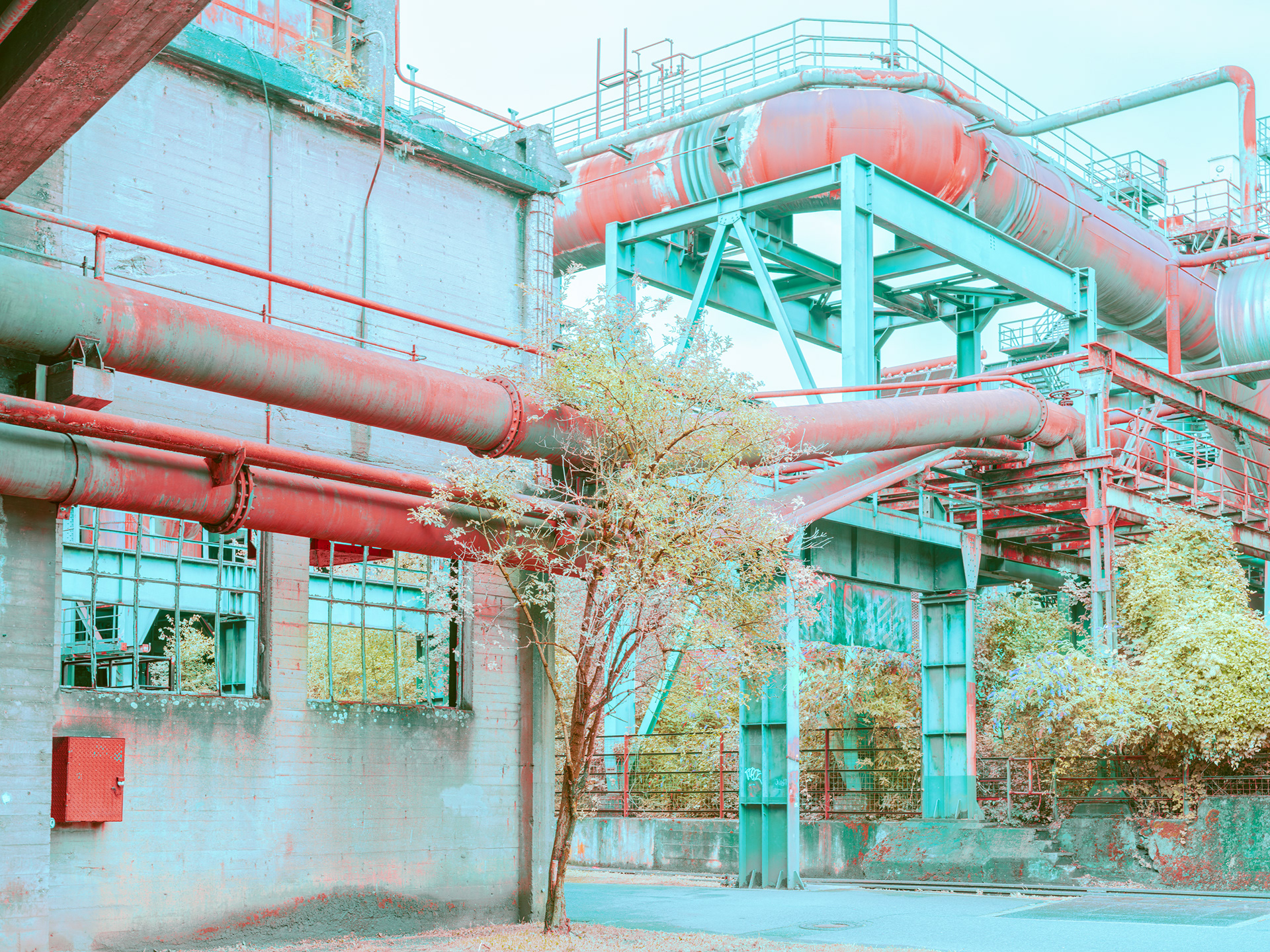
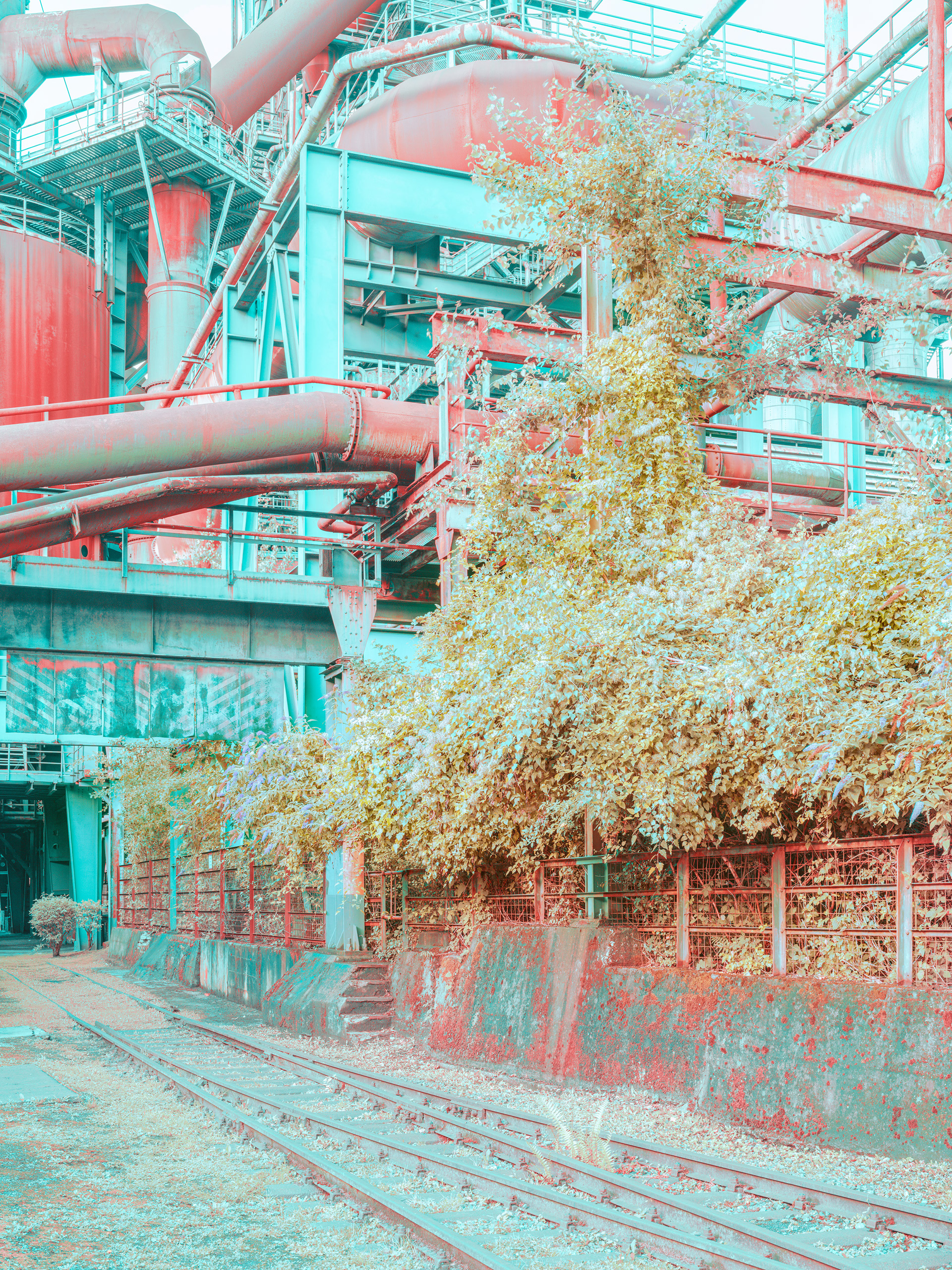
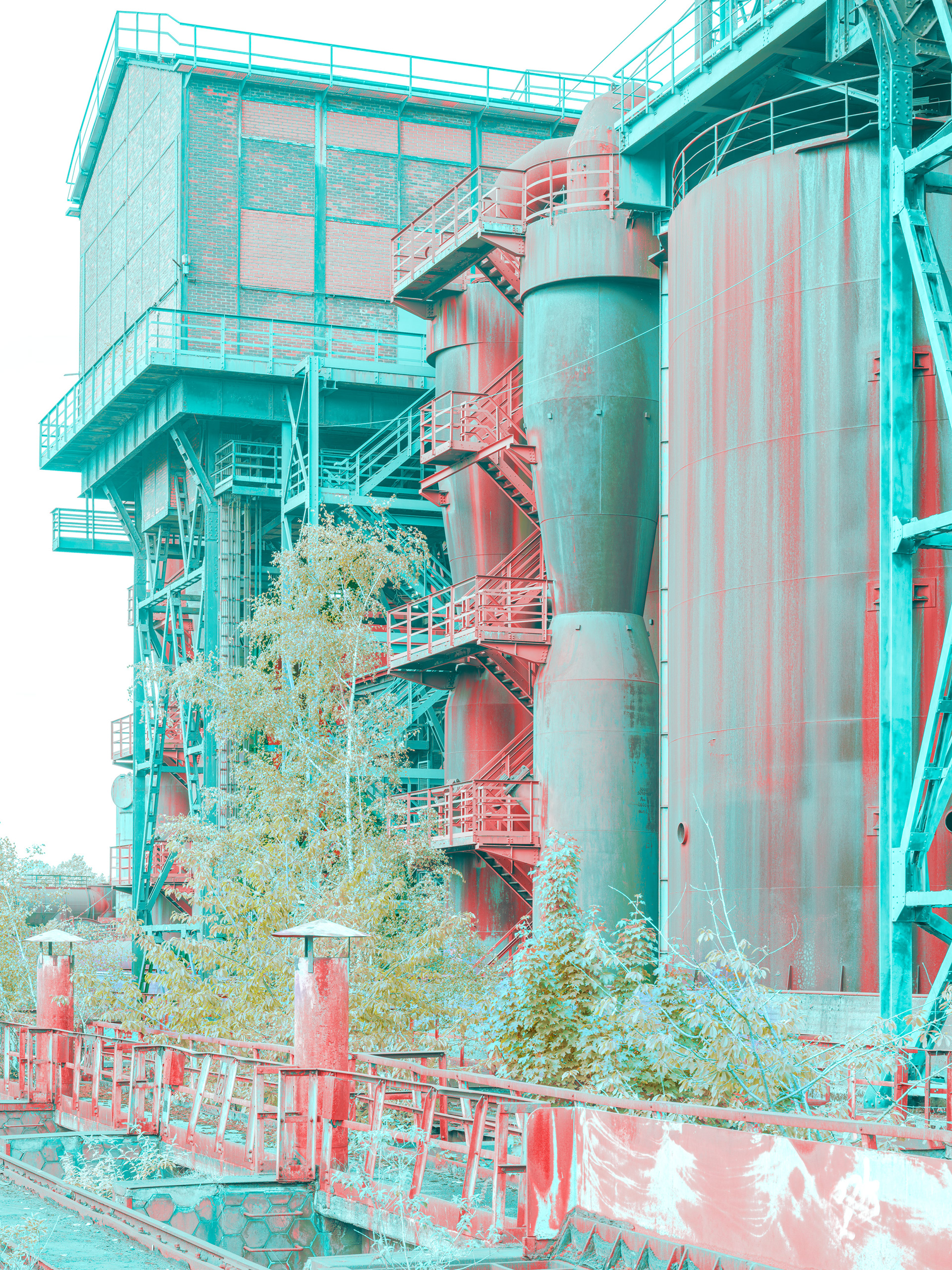
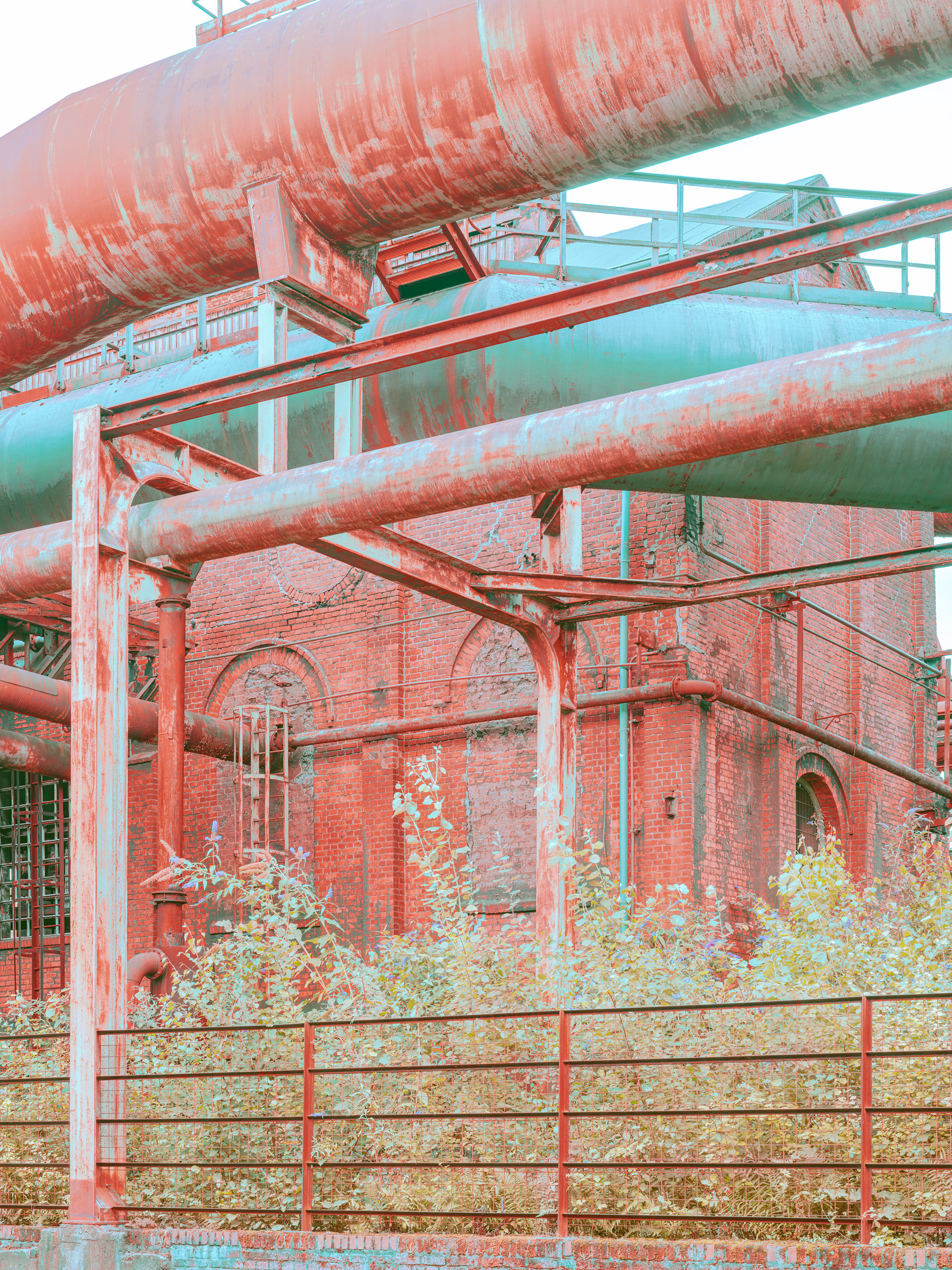
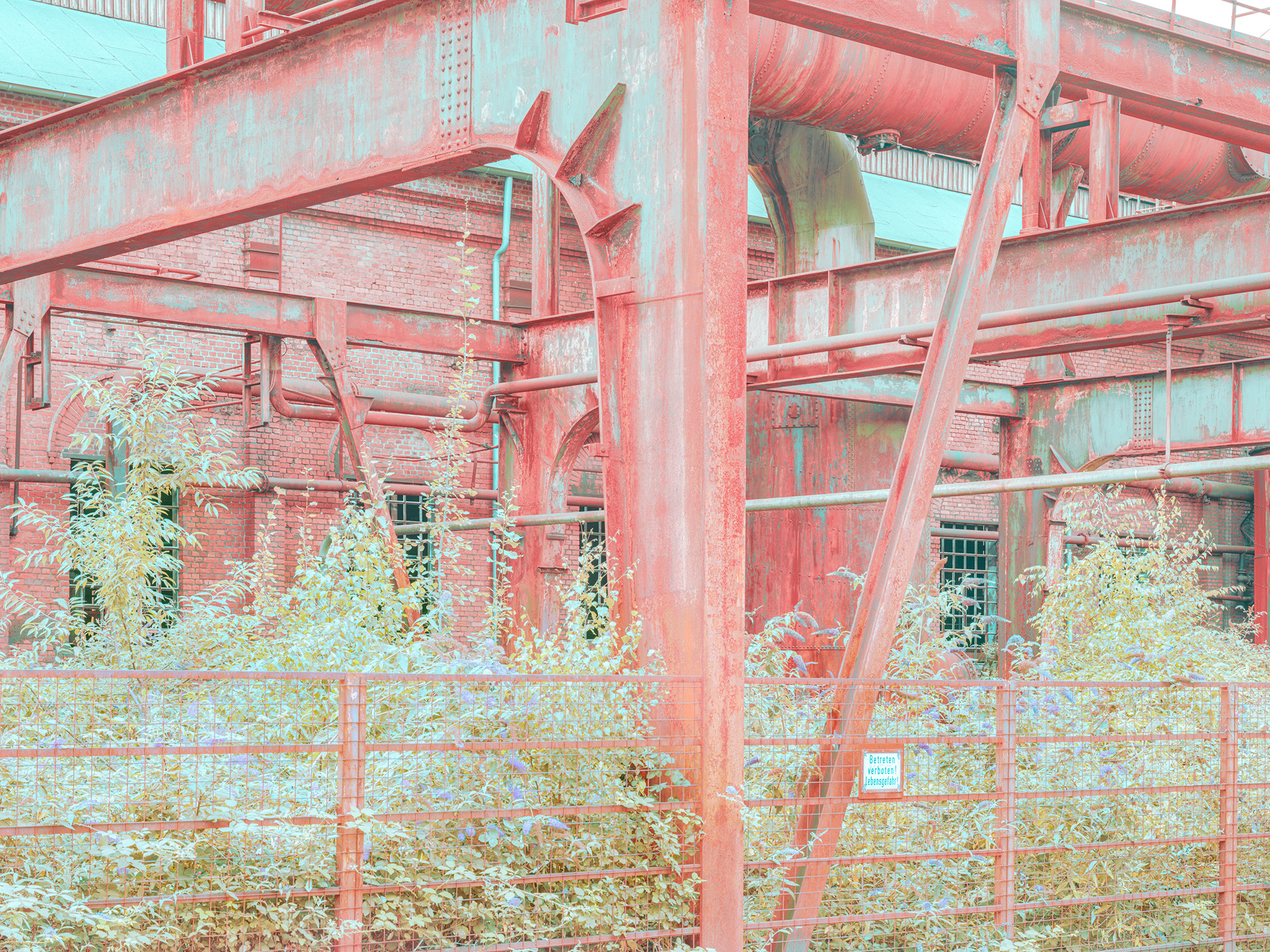
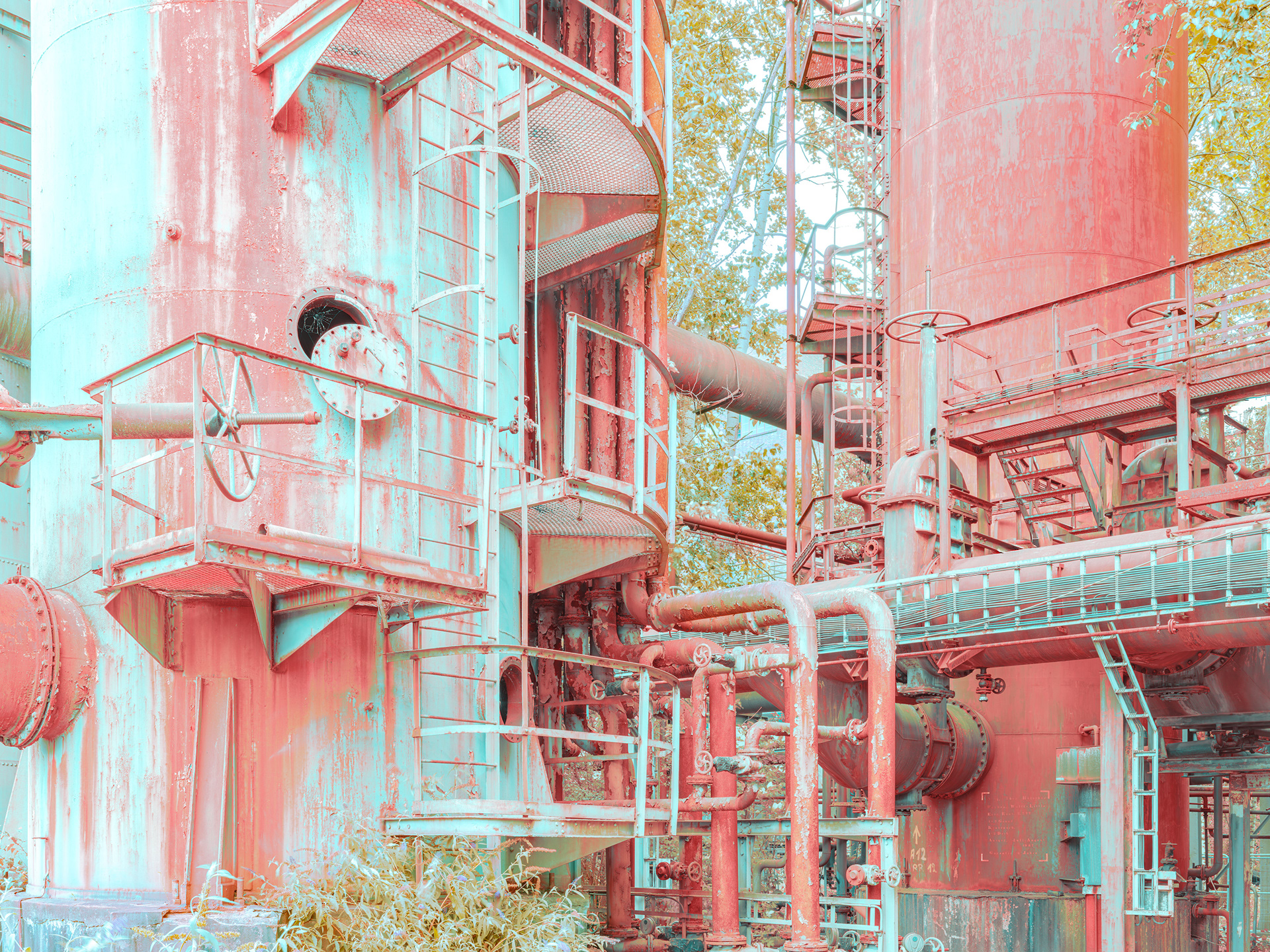
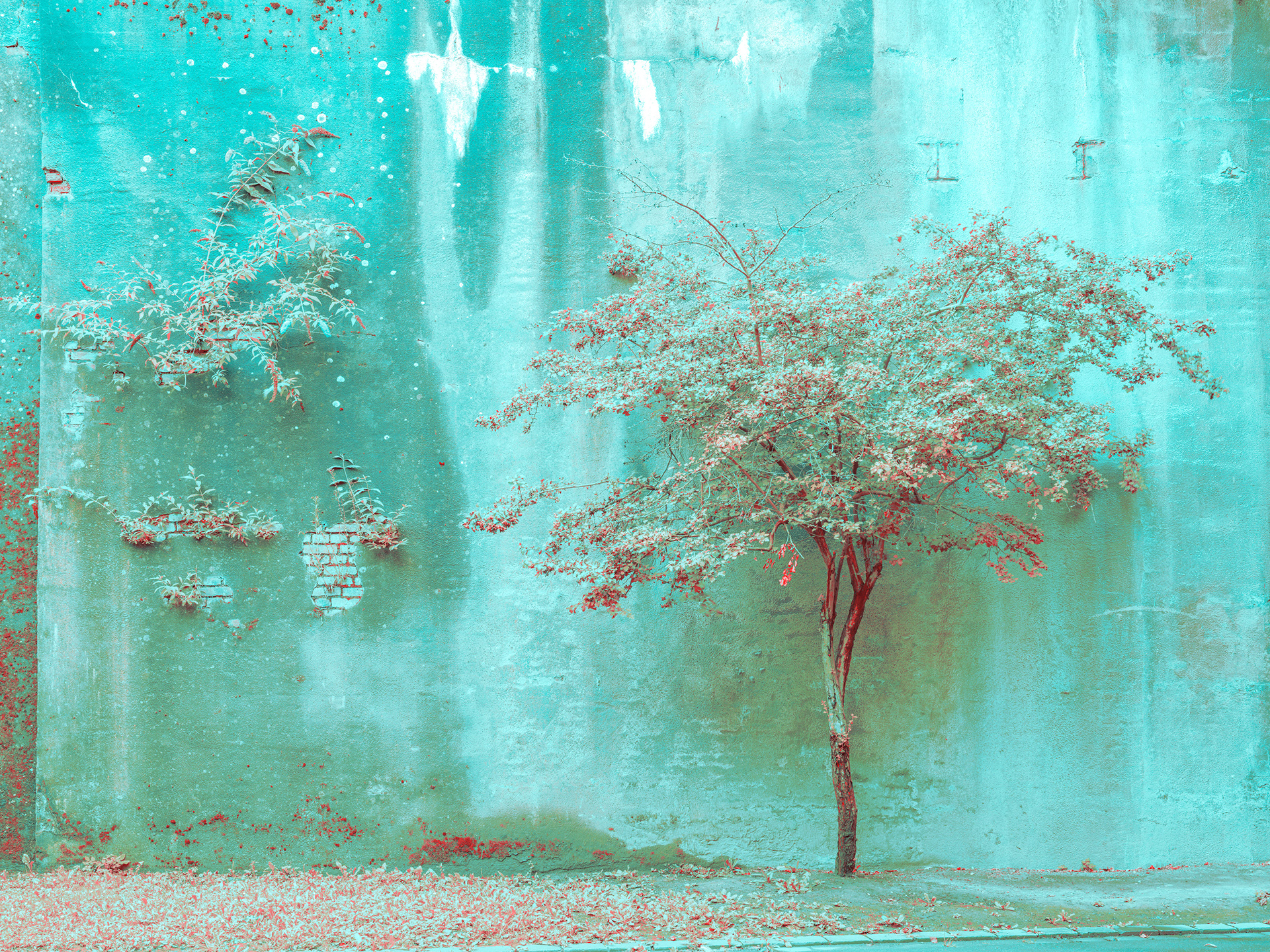
These are not ruins.
They are artifacts from a future without us.
They are artifacts from a future without us.
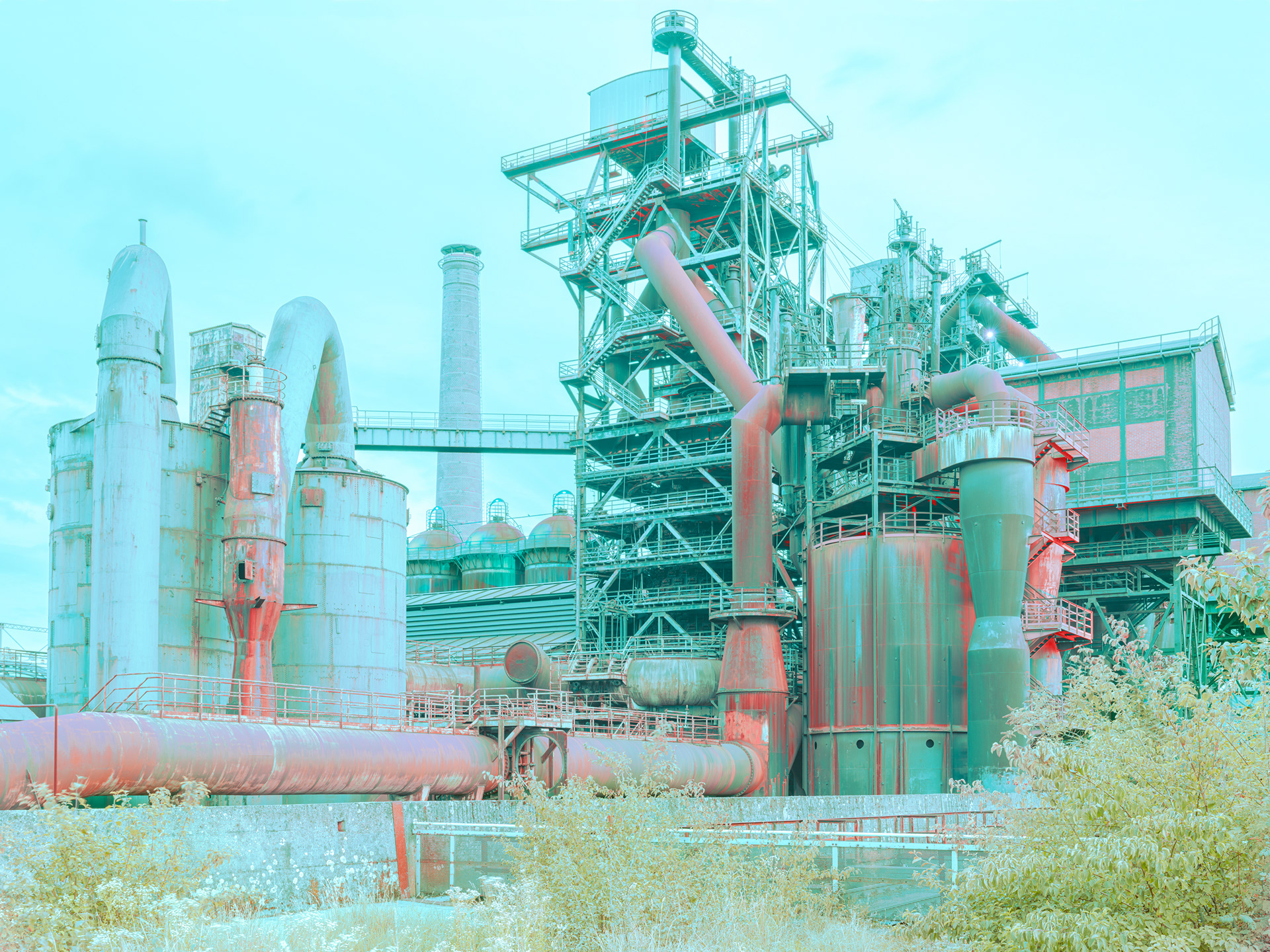
What we built no longer answers to us. The boundary is gone.
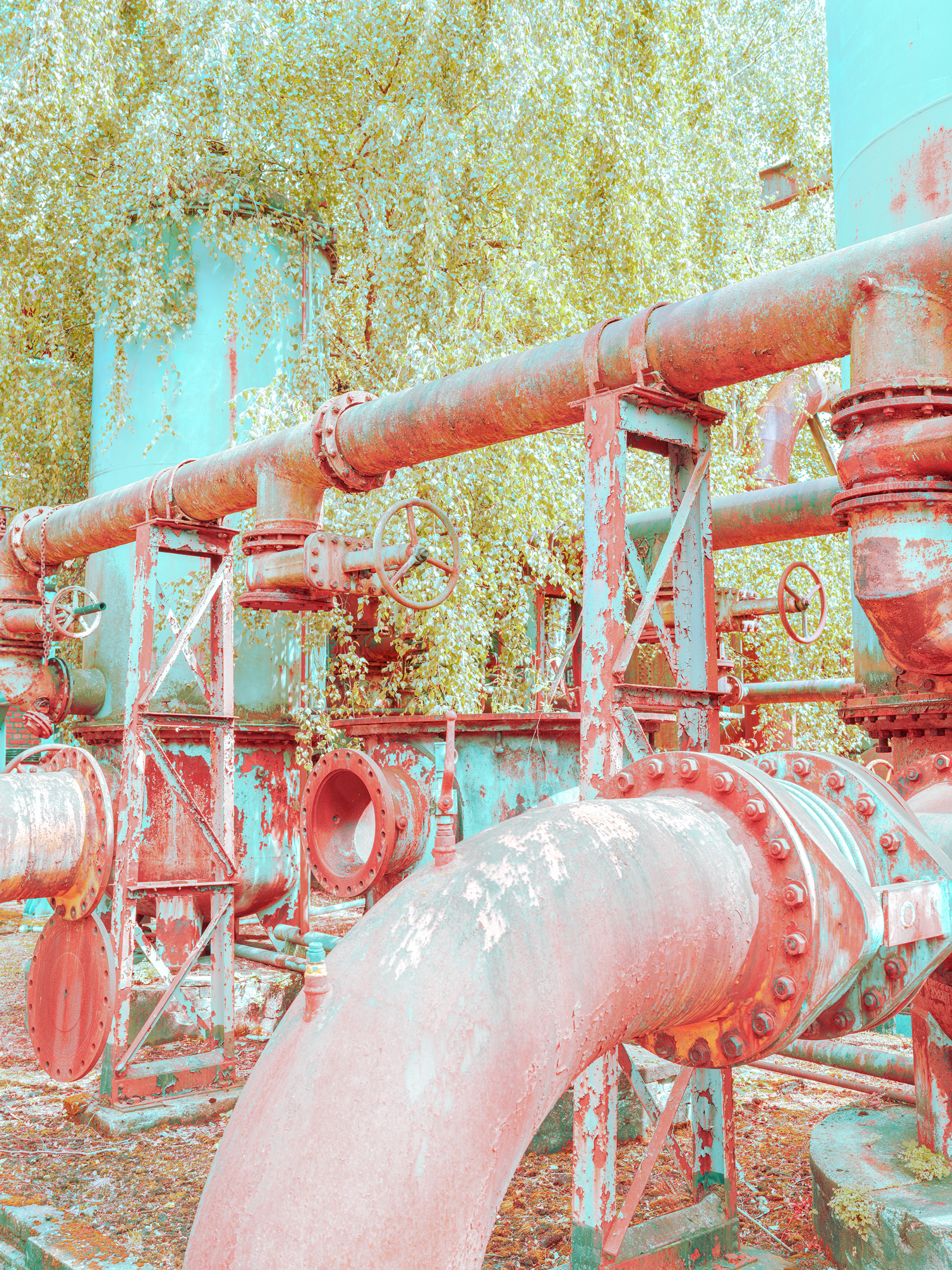
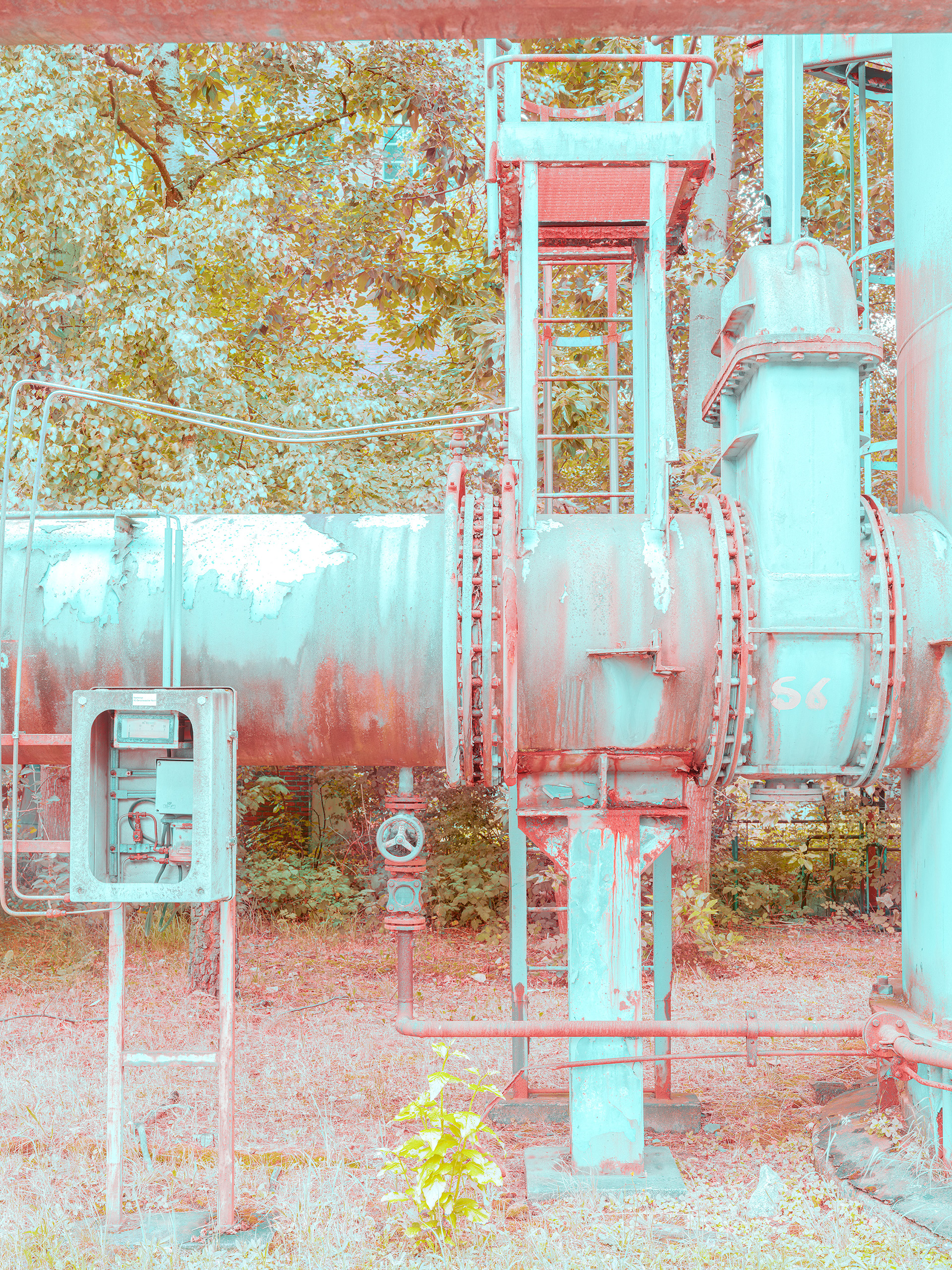
Nature does not invade. Industry does not resist.
They merge, overlap, become indistinguishable.
Nature does not invade. Industry does not resist.
They merge, overlap, become indistinguishable.
Pipes, branches, steel, roots.
No hierarchy remains.
It is no longer clear what dominates.
No hierarchy remains.
It is no longer clear what dominates.
These structures were designed to control, to organize, to produce.
Now they persist without purpose, absorbed into another system.
Now they persist without purpose, absorbed into another system.
What we called progress becomes matter again.
Not destroyed, not preserved, transformed. These are not the ruins of a distant past.
They belong to a time still close to us, still unresolved.
A modernity that has not disappeared, but has already lost its authority.
Not destroyed, not preserved, transformed. These are not the ruins of a distant past.
They belong to a time still close to us, still unresolved.
A modernity that has not disappeared, but has already lost its authority.
In this shift, something fundamental changes.
Not only the landscape, but the balance itself.
Not only the landscape, but the balance itself.
The human is no longer the reference point. What remains is not silence, and not absence.
It is a different order.
It is a different order.
A system that does not require us.
And in this autonomy,
their destiny changes.
their destiny changes.
CHAPTER III
INDUSTRIAL POP
"Autonomy"
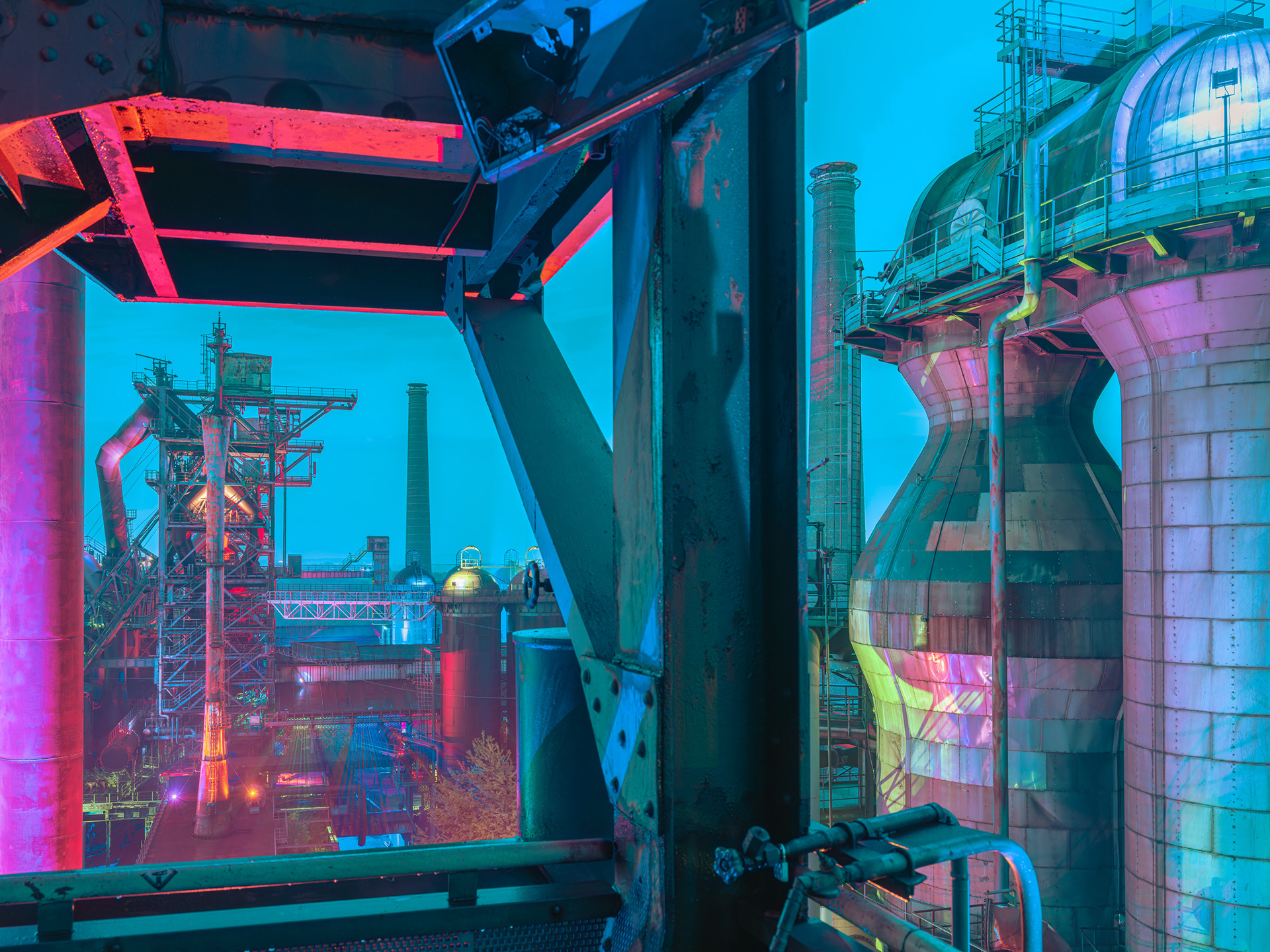
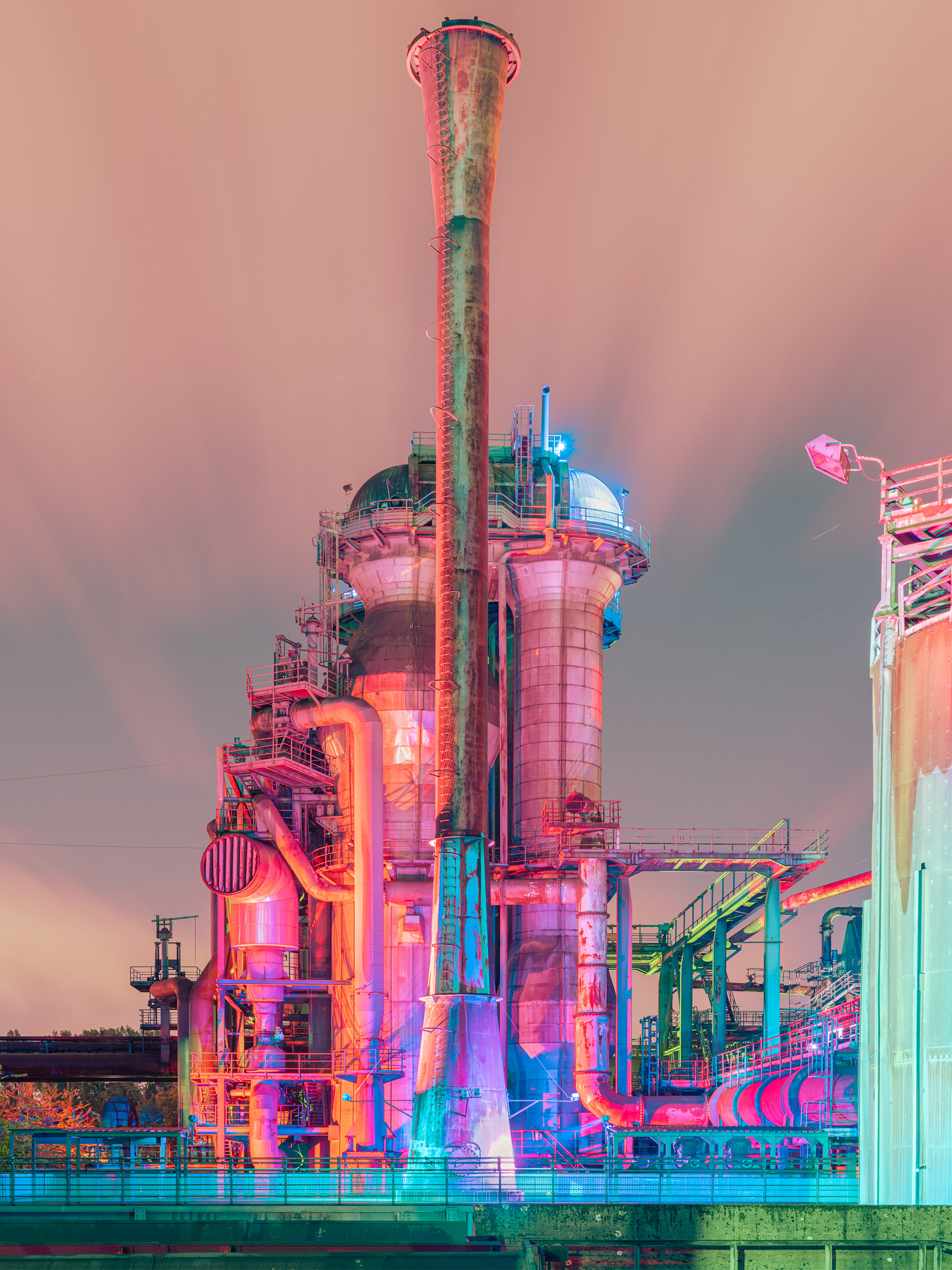
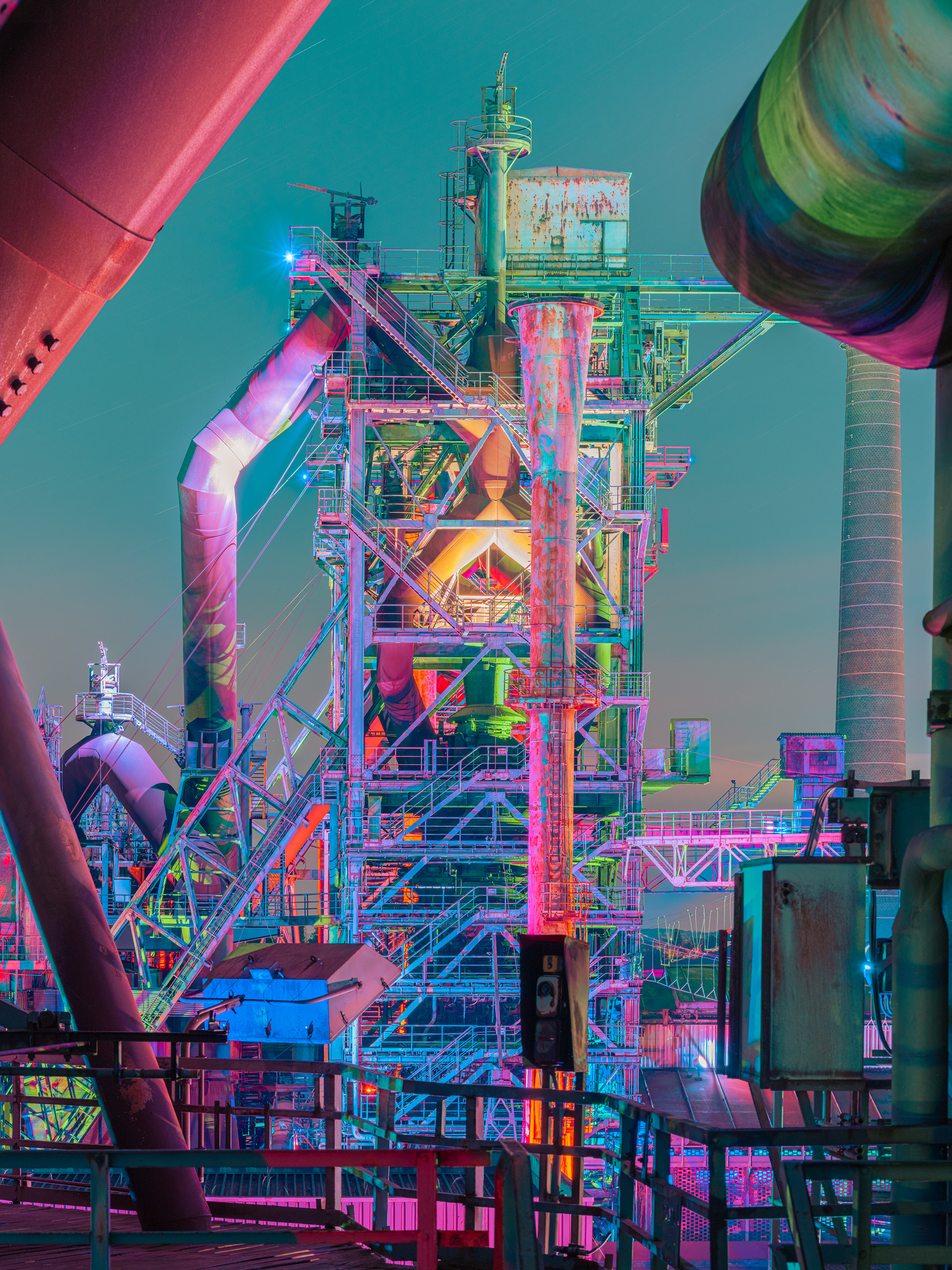
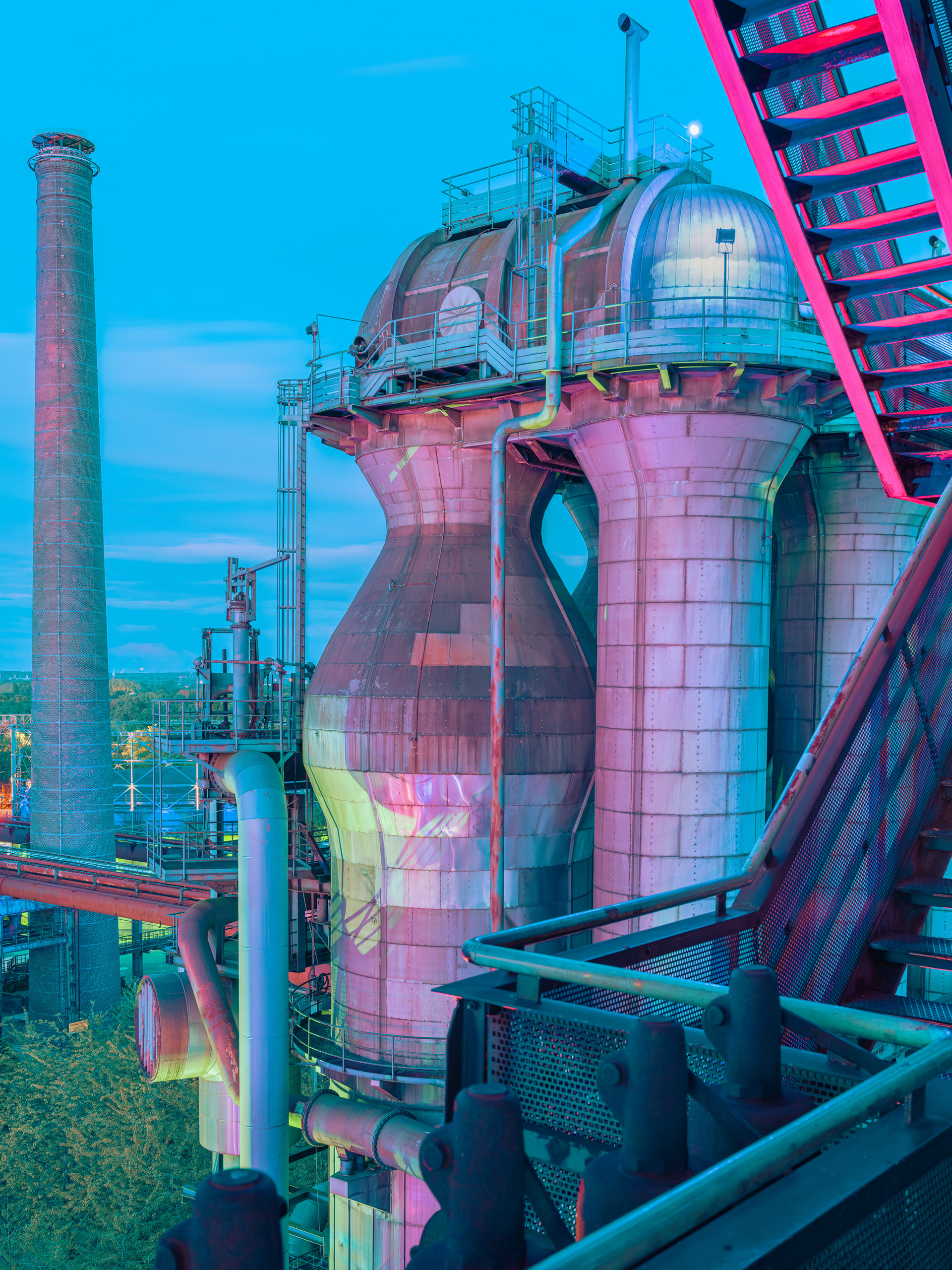
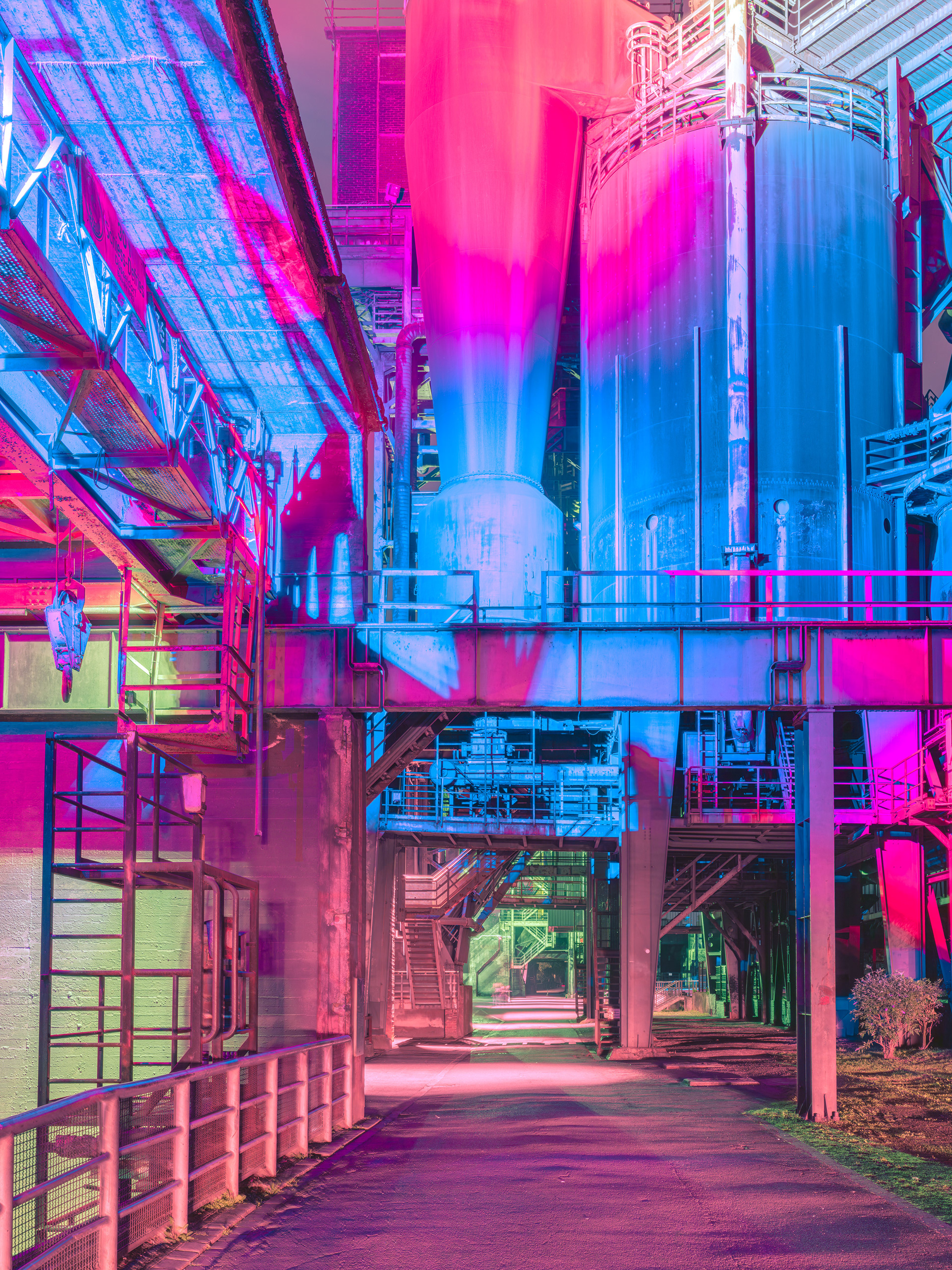
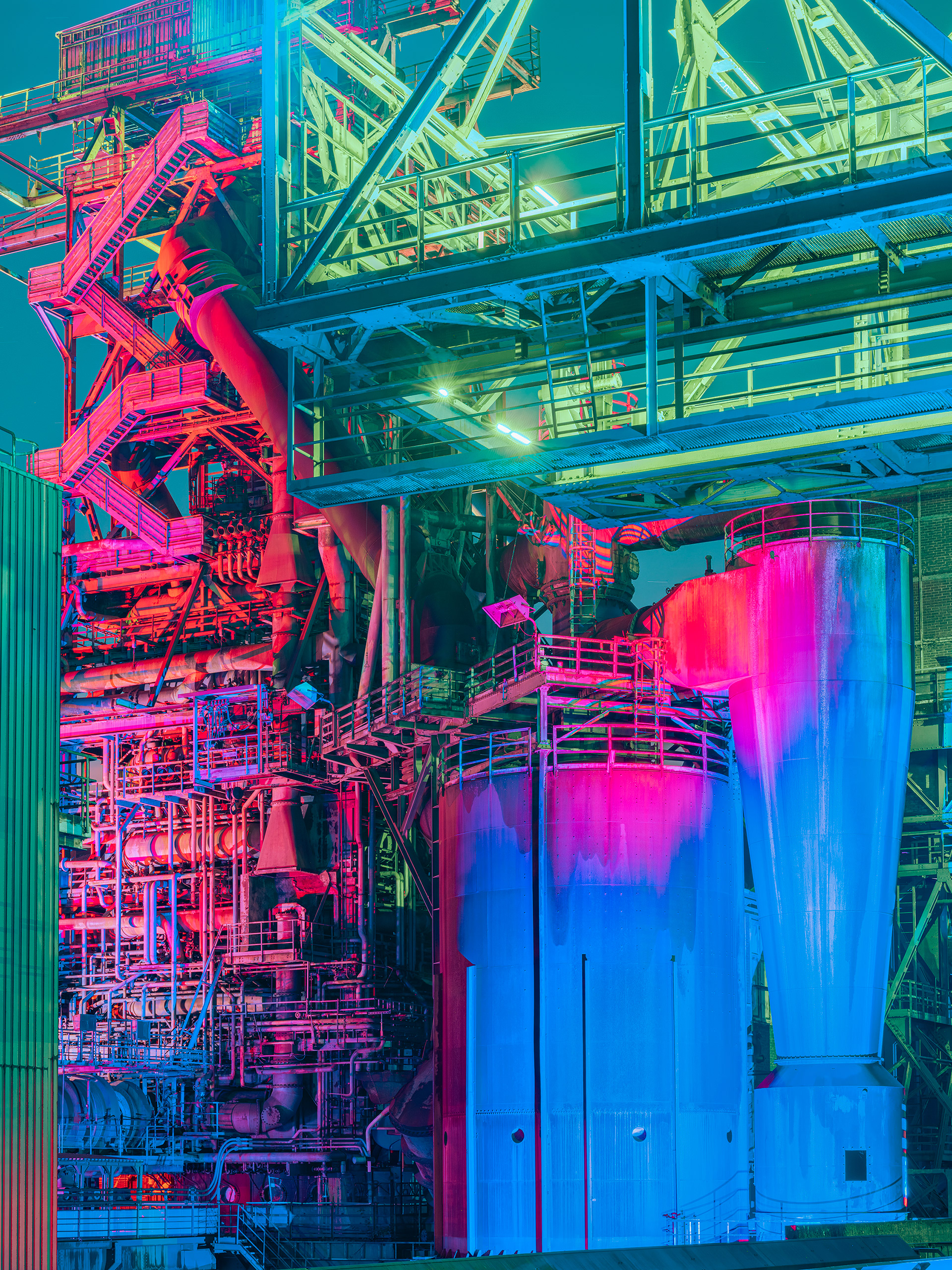
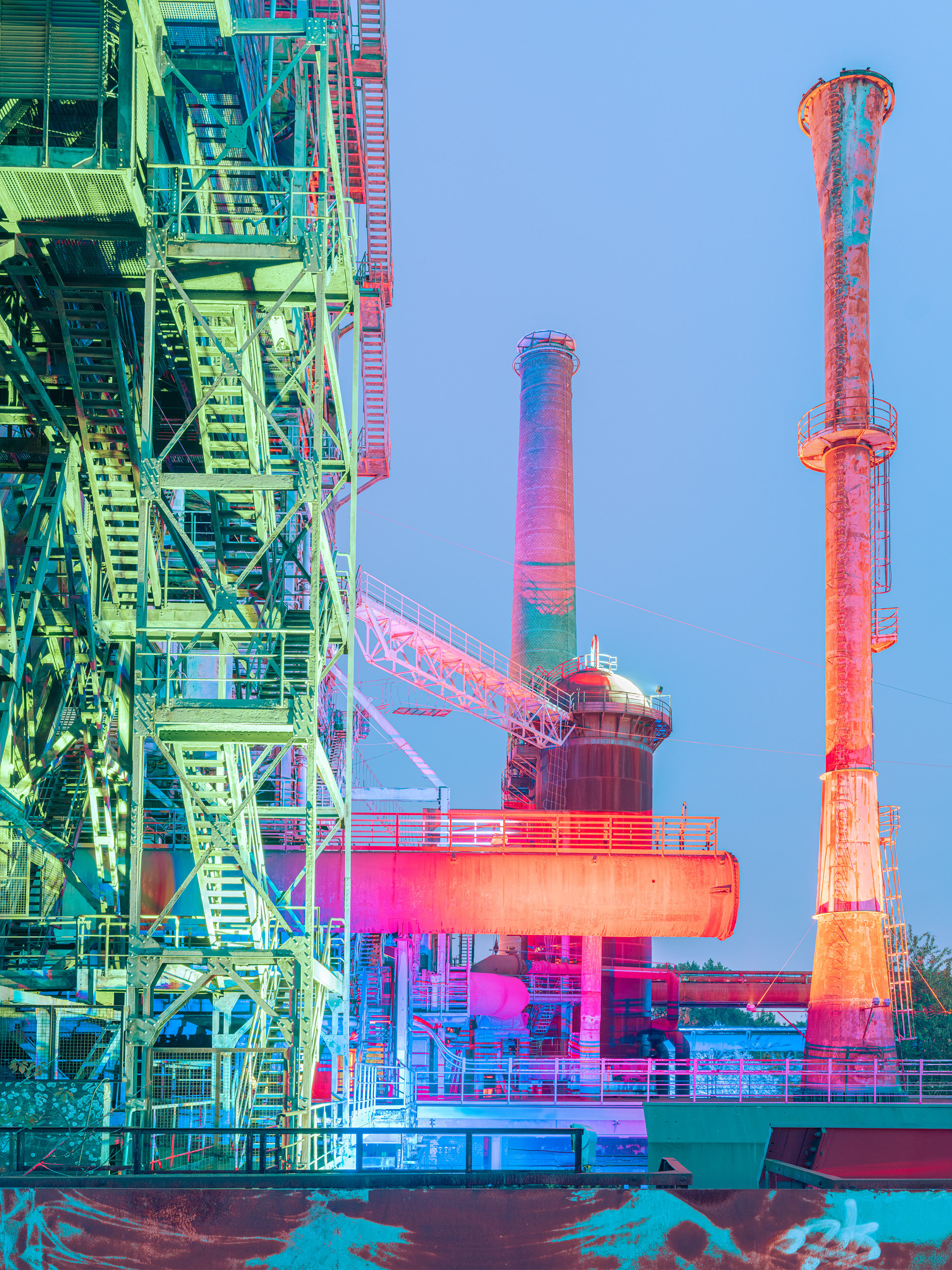
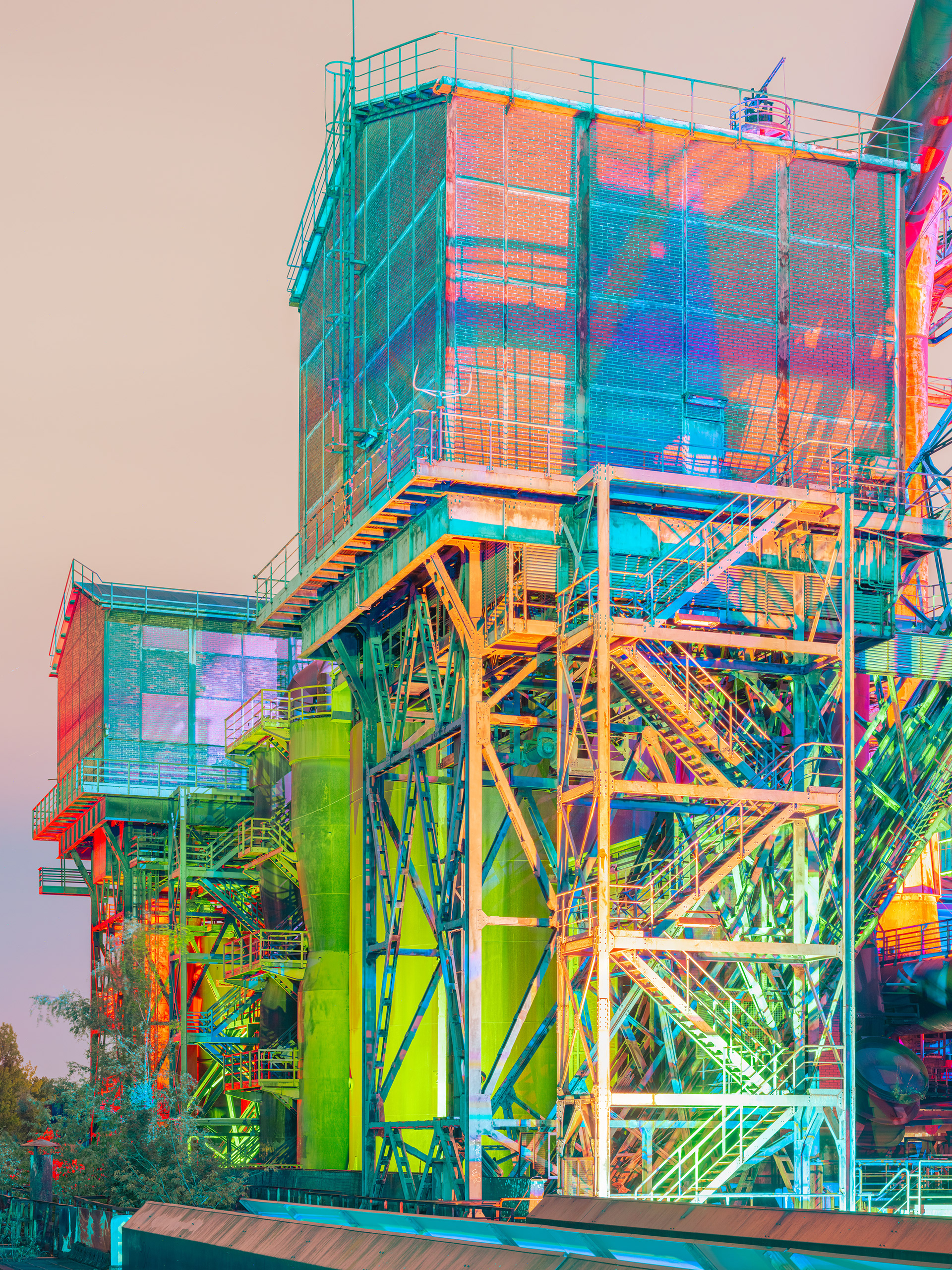
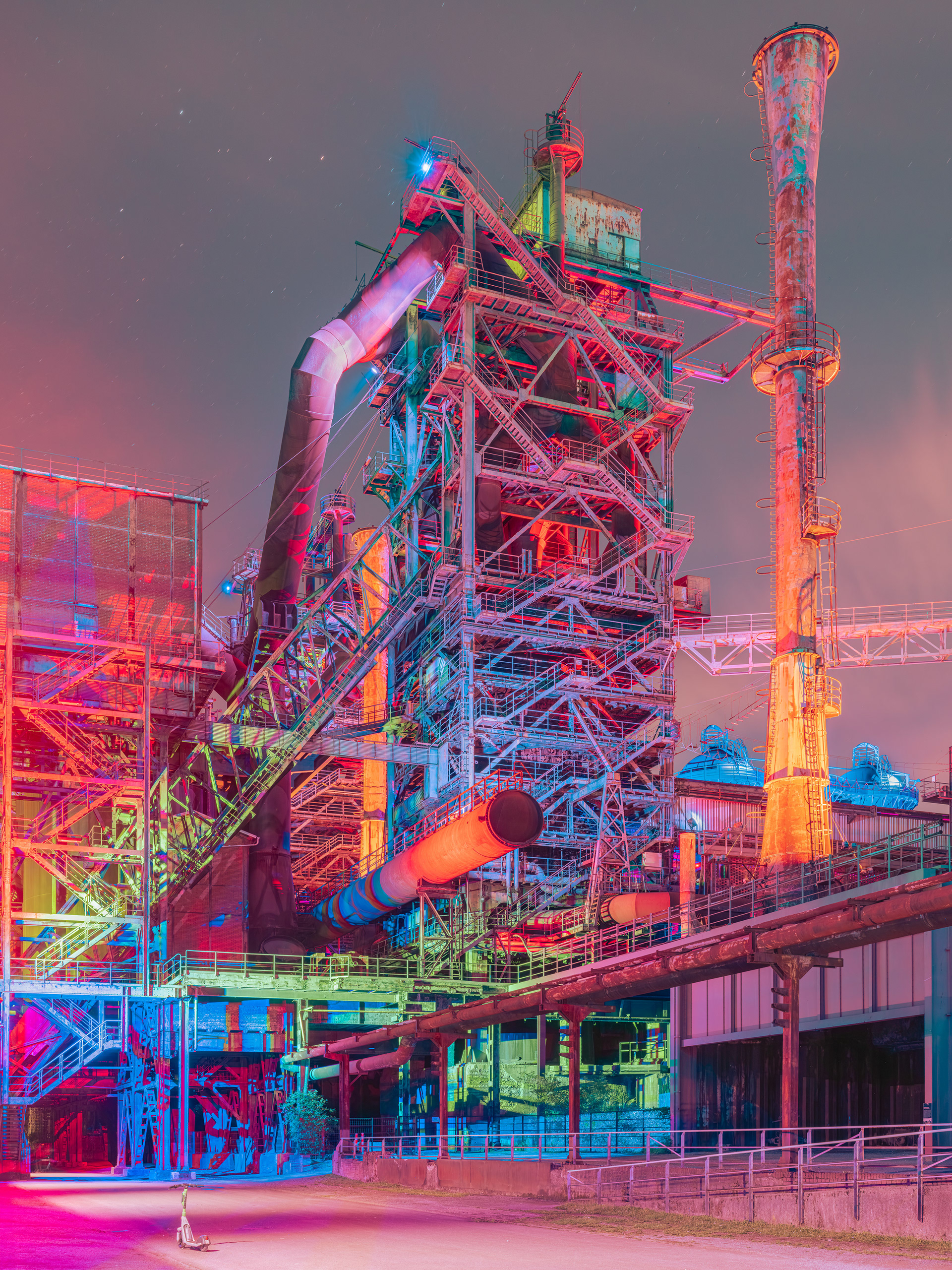
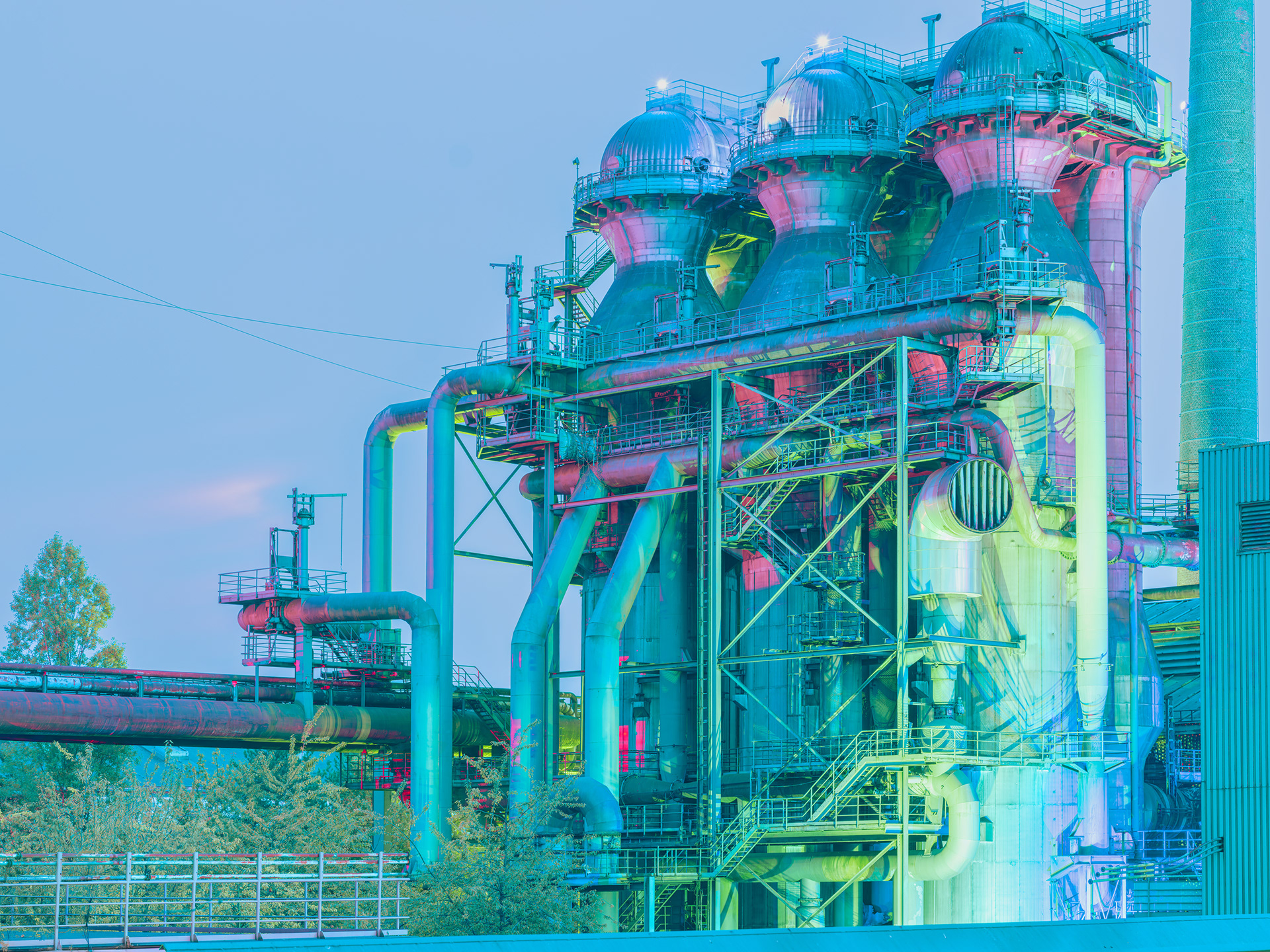
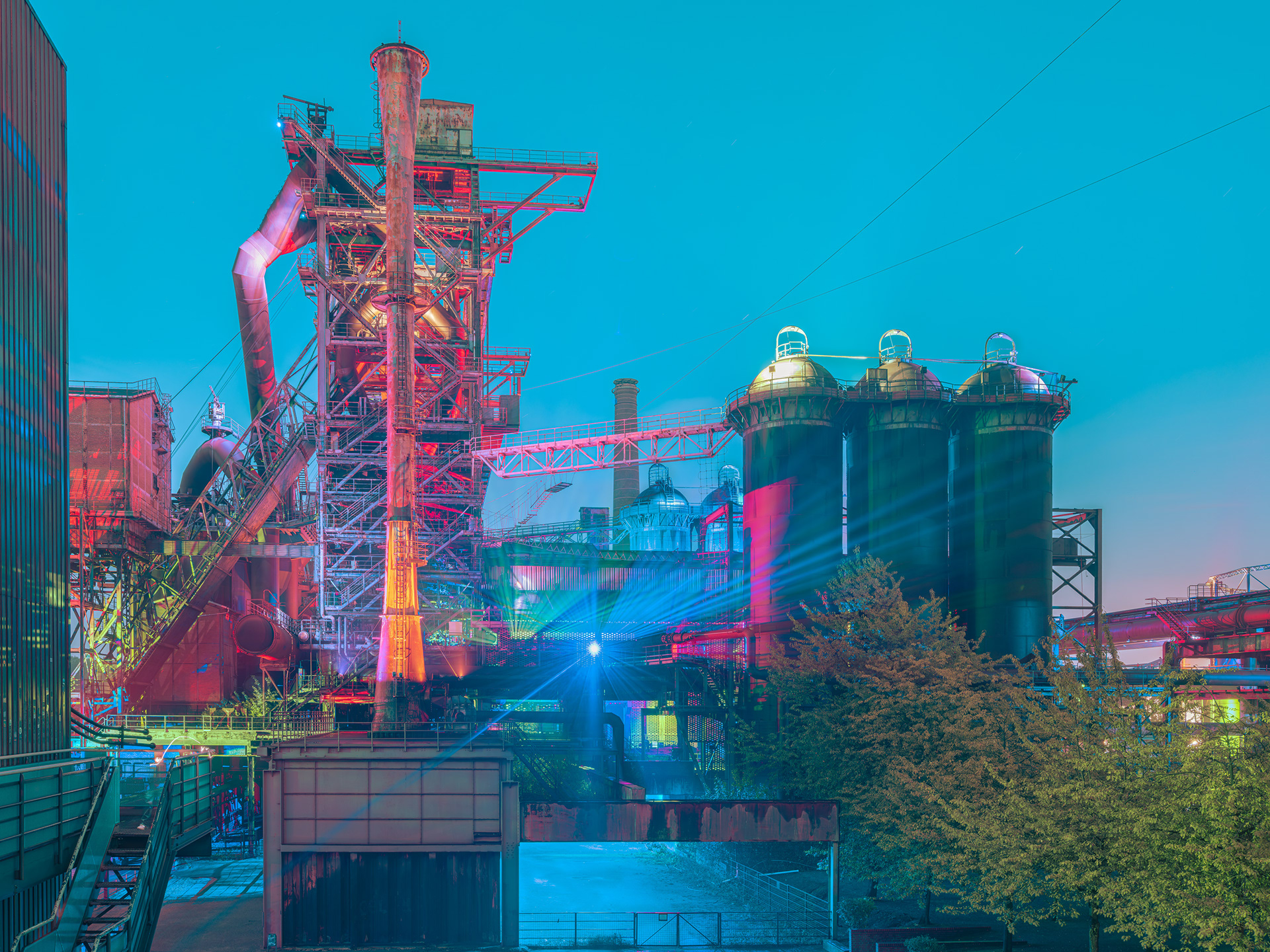
At night, these places change their nature.
Light does not simply reveal.
It intervenes.
It intervenes.
It passes through the structures,
alters their weight,
changes their perception.
alters their weight,
changes their perception.
What was built to function
becomes surface, rhythm, color.
becomes surface, rhythm, color.
Industry does not disappear.
It is transfigured, history remains,
but loses its gravity.
It is transfigured, history remains,
but loses its gravity.
Forms no longer belong only to production.
They enter another visual order.
They enter another visual order.
Here, function is not erased.
It is suspended, and in this suspension,
industrial space becomes experience.
It is suspended, and in this suspension,
industrial space becomes experience.
No longer machine.
Not yet memory.
Not yet memory.
Image.
EPILOGUE
It is no longer possible to look at these places in the same way.
What seemed stable has revealed itself as temporary. What appeared definitive
has shown its fragility. and what we considered residual
has become something else.
has shown its fragility. and what we considered residual
has become something else.
We are not witnessing an end. We are witnessing a shift. Forms remain,
but no longer coincide with what they were meant for.
but no longer coincide with what they were meant for.
Their presence exceeds their origin, in this gap,
a distance opens.
a distance opens.
It is within that distance
that we are asked to look.
that we are asked to look.
DESTINIES OF IRON - 2026