INDUSTRIAL POP
(Trasformation)
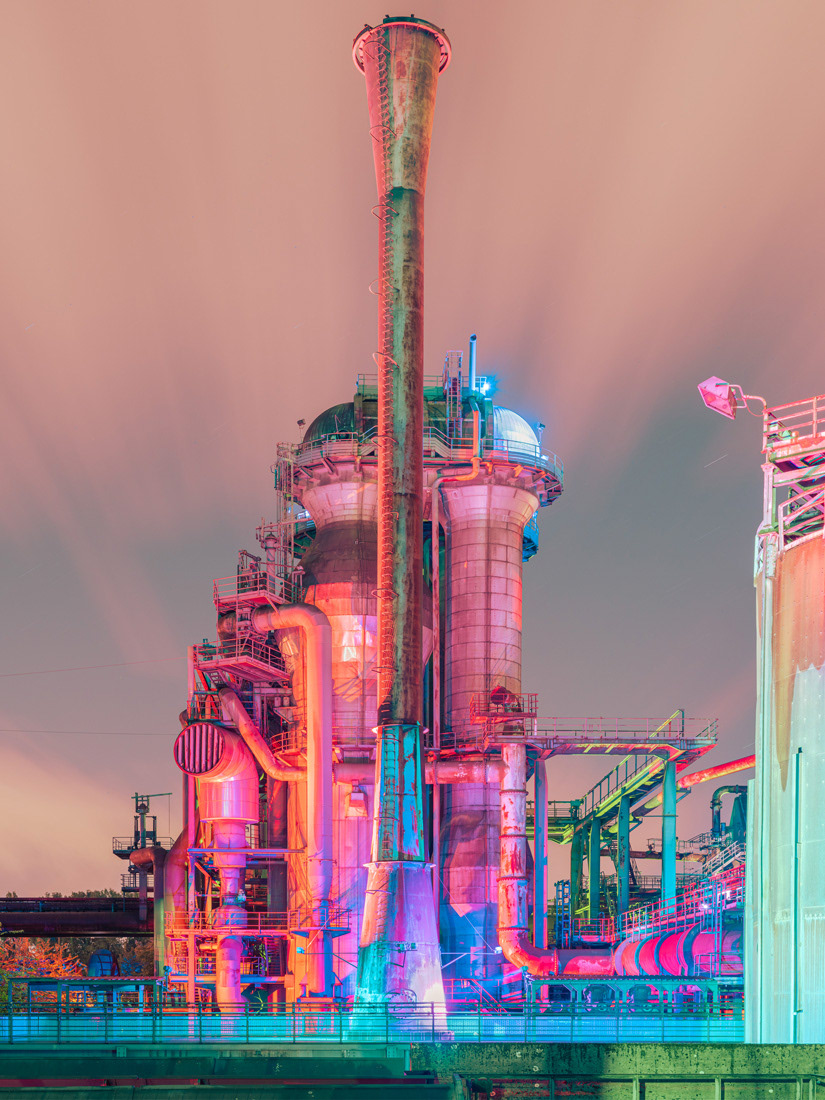
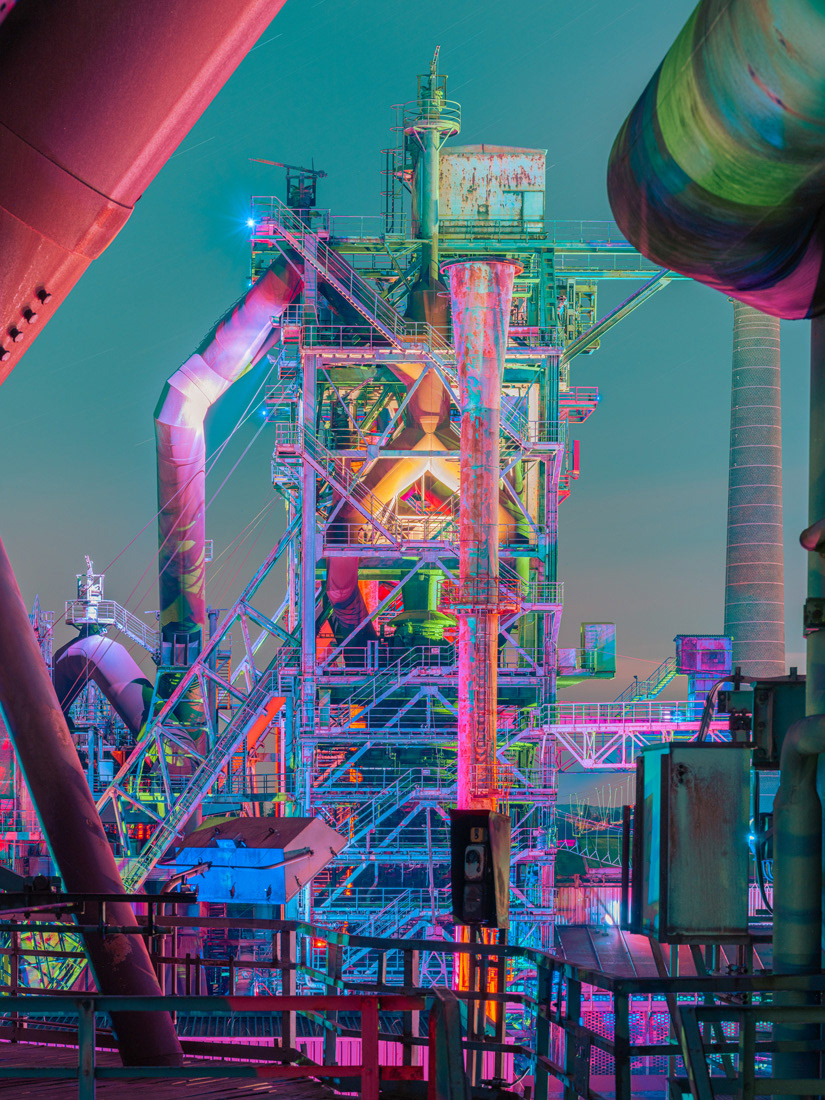
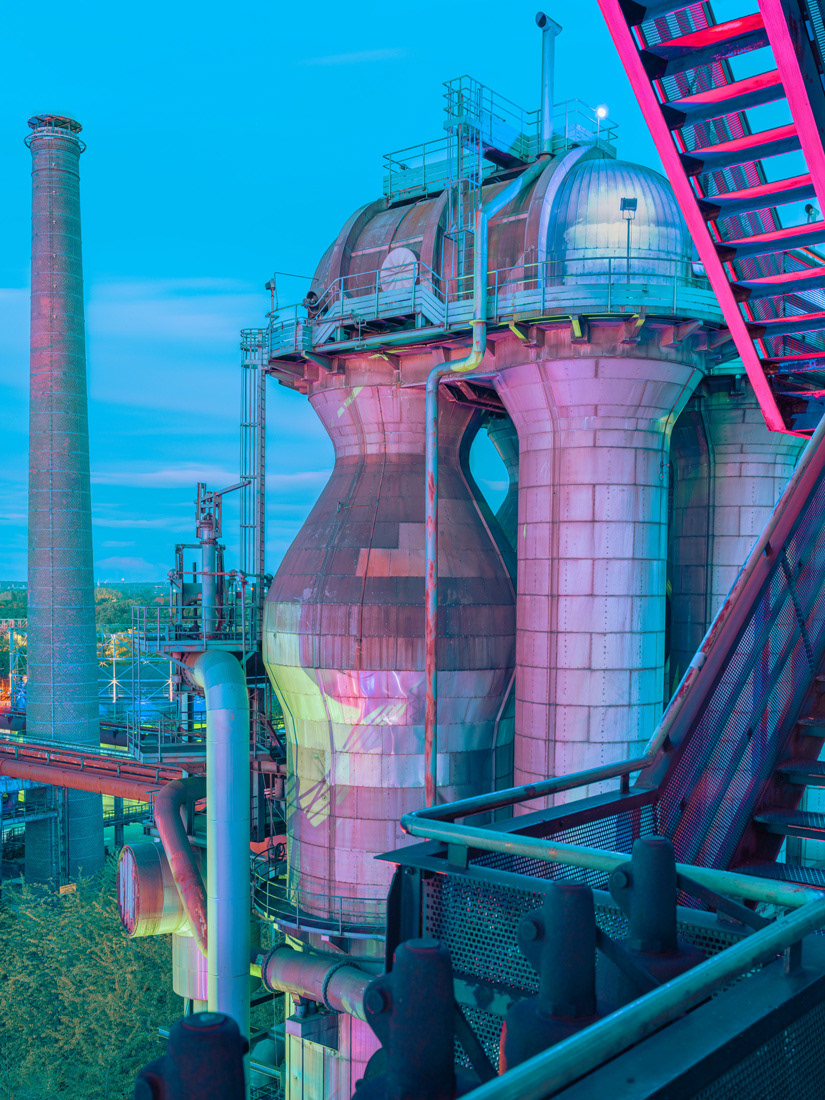
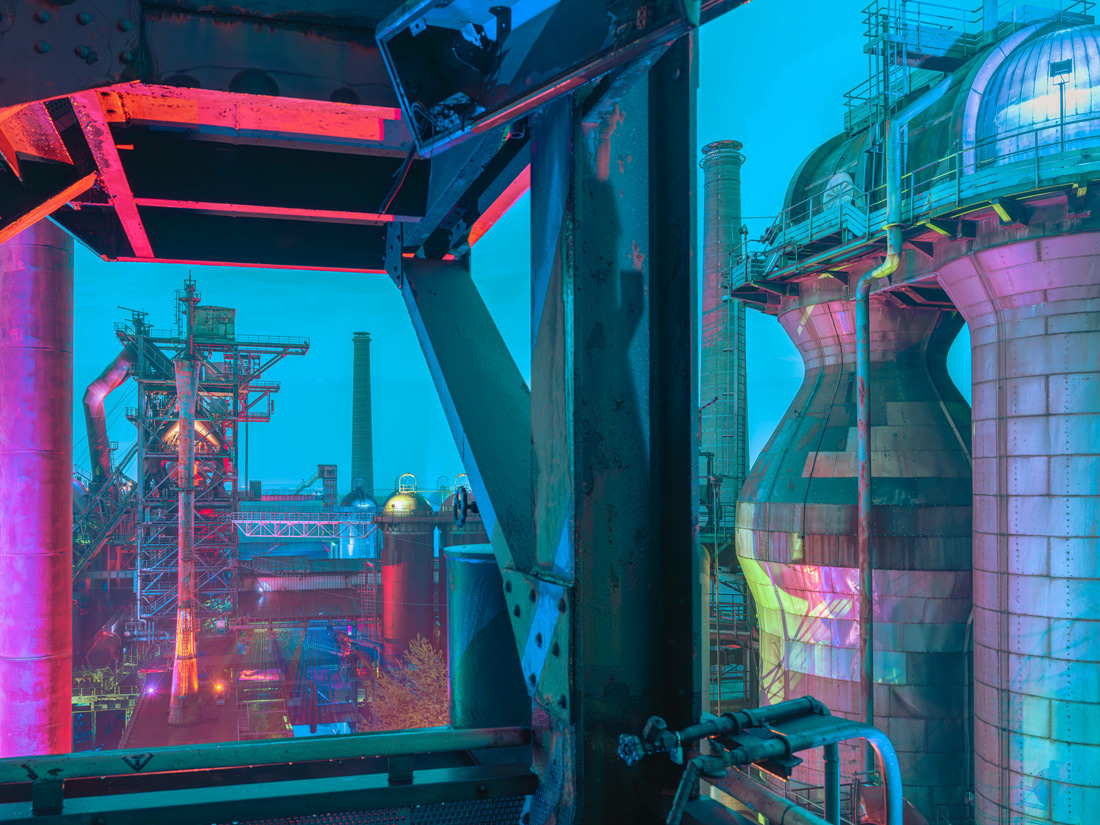
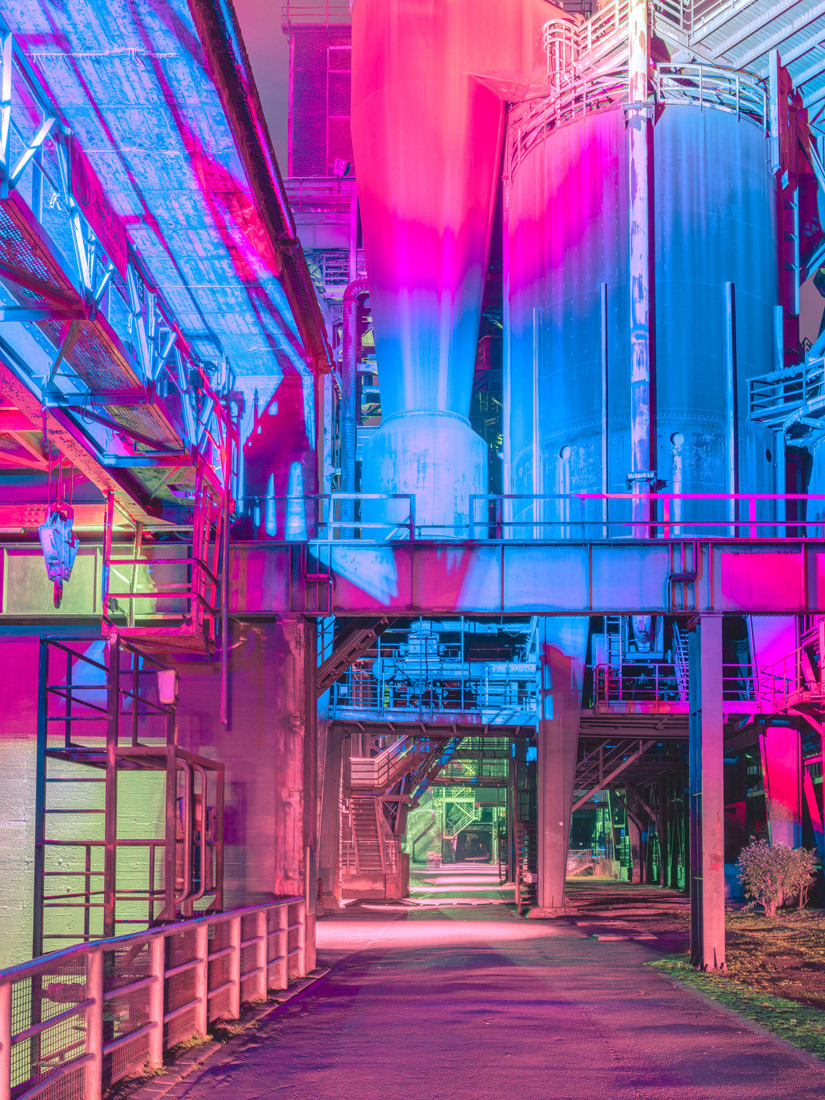
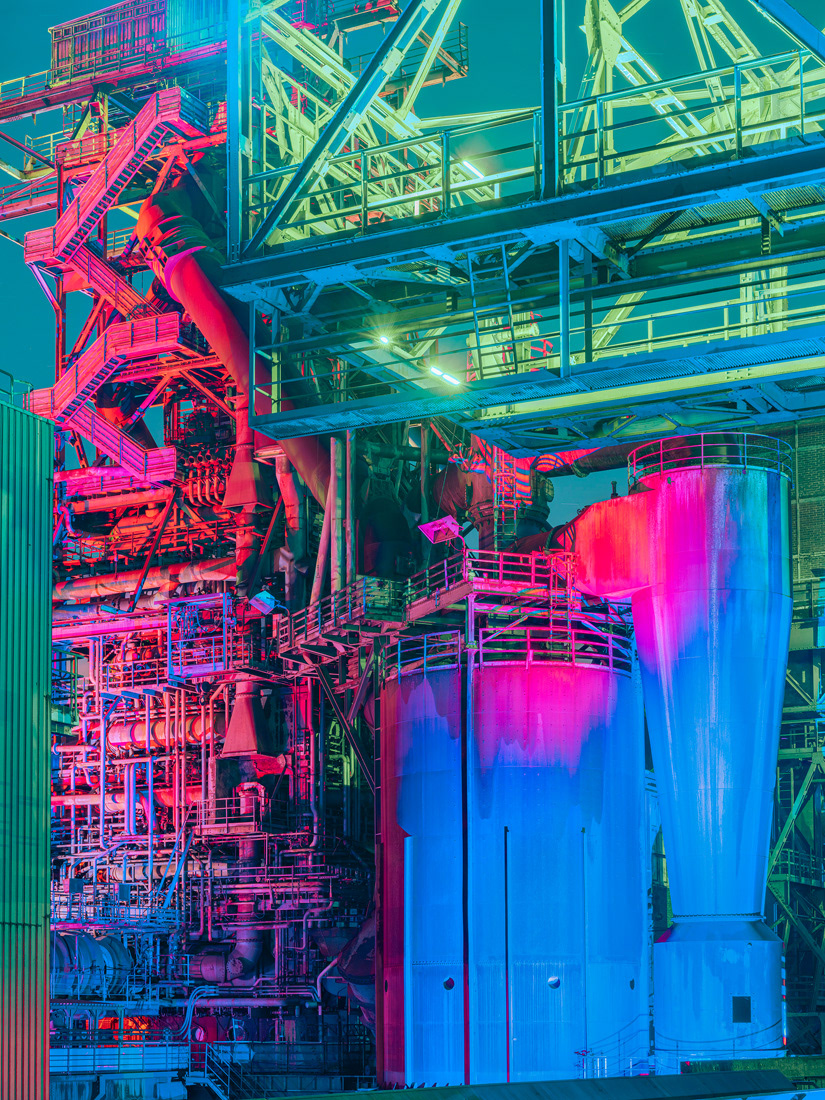
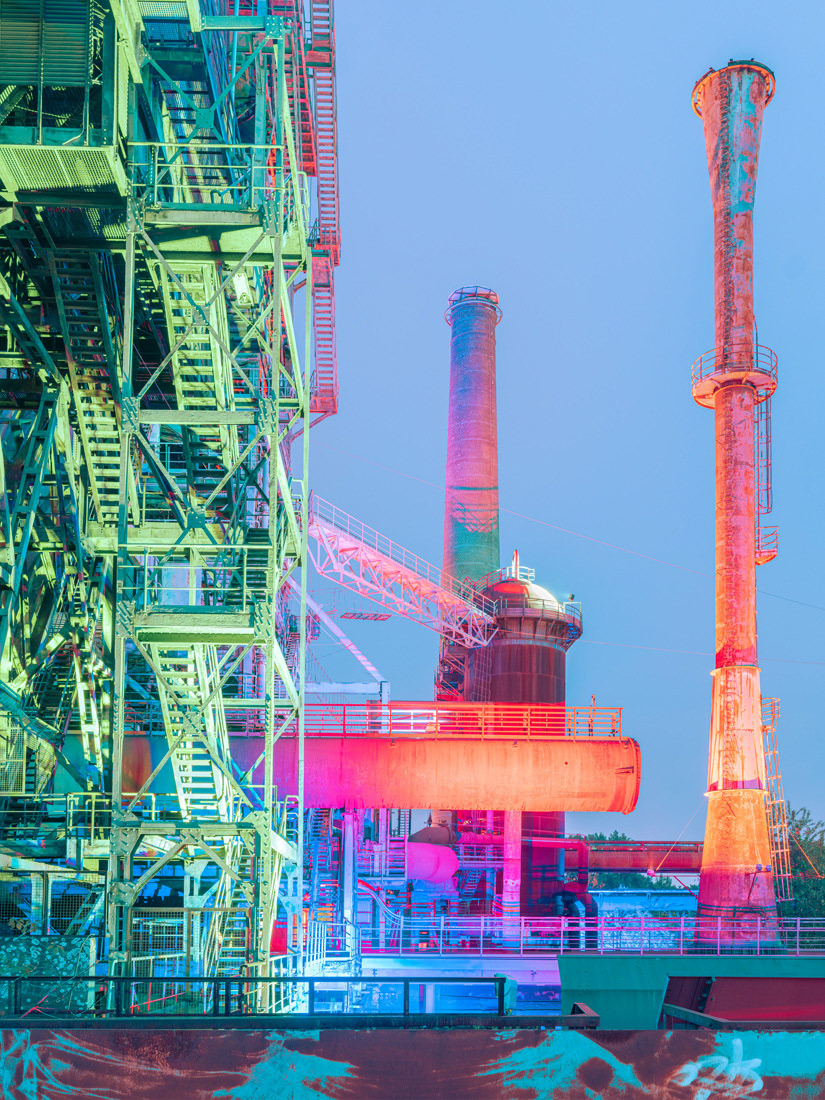
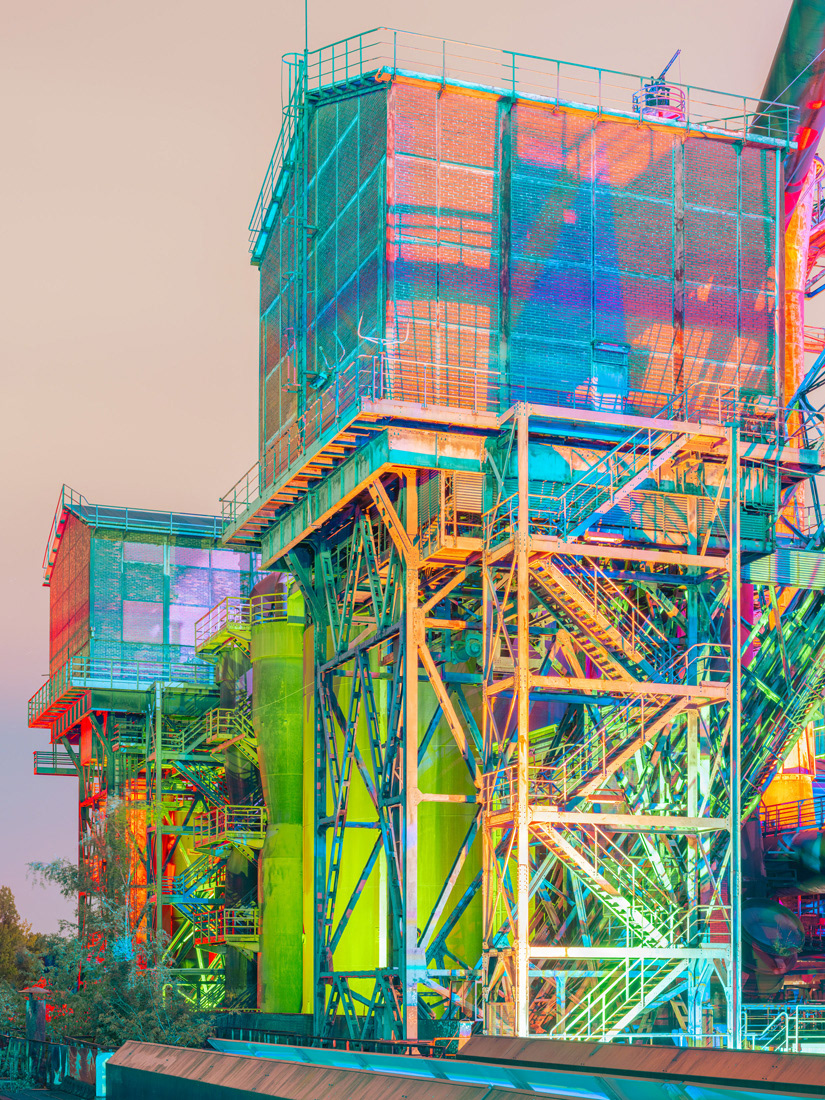
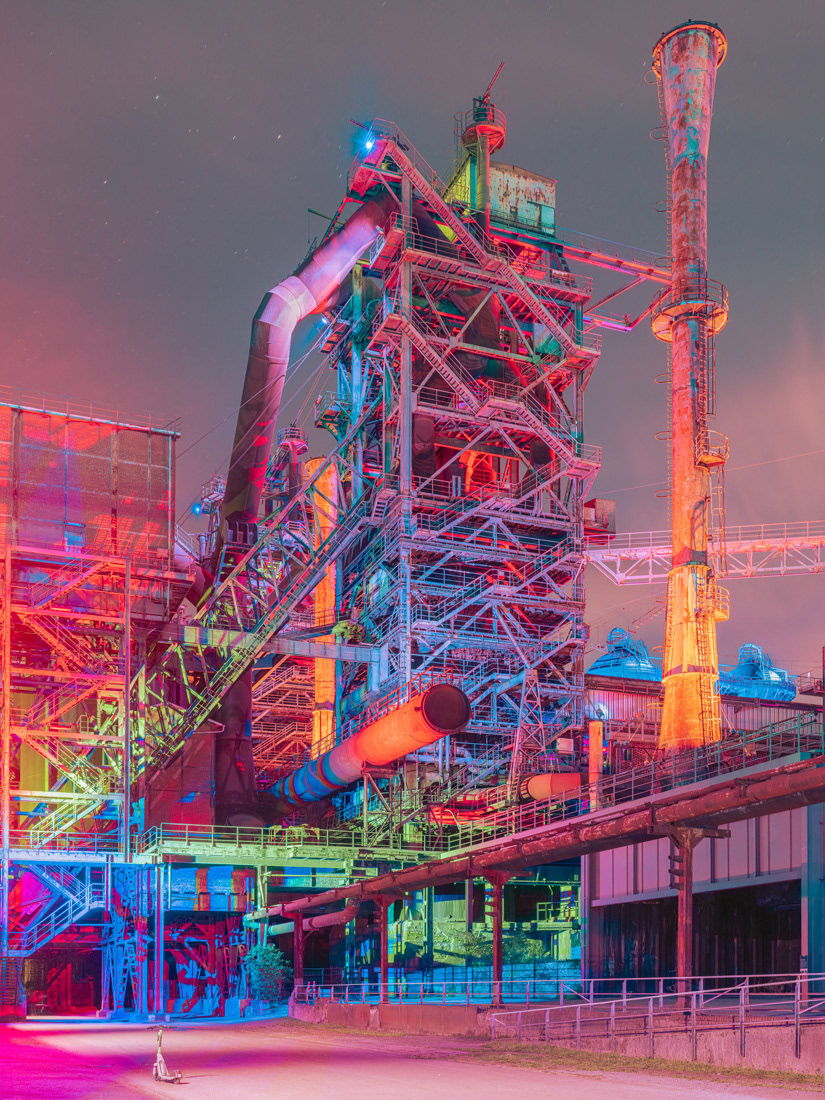
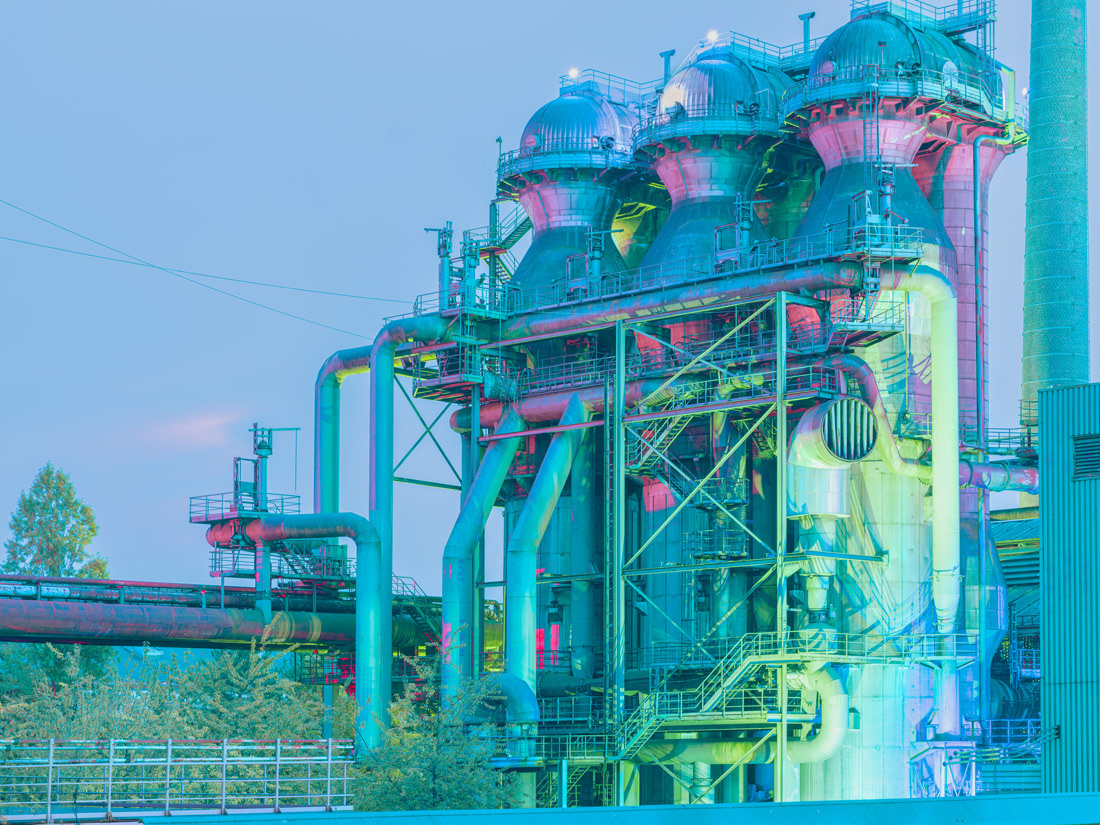
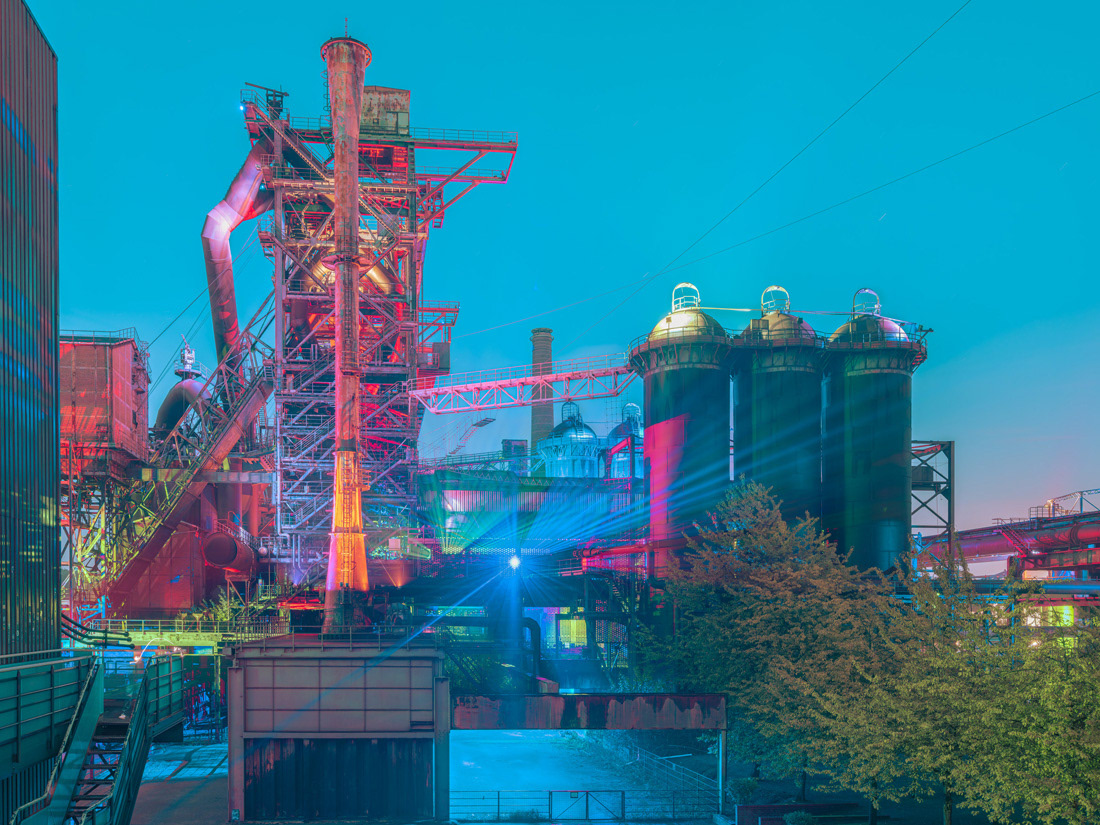
At night, these places change their nature.
Light does not simply reveal; it intervenes.
It passes through the structures,
alters their weight, changes their perception.
What was built to function
becomes surface, color, rhythm.
Industry does not disappear; it is transfigured.
History remains, but loses its gravity.
Forms no longer belong solely to production;
they enter another visual order.
Here, function is not erased,
but suspended.
And within this suspension,
industrial space becomes experience.
No longer machine.
Light does not simply reveal; it intervenes.
It passes through the structures,
alters their weight, changes their perception.
What was built to function
becomes surface, color, rhythm.
Industry does not disappear; it is transfigured.
History remains, but loses its gravity.
Forms no longer belong solely to production;
they enter another visual order.
Here, function is not erased,
but suspended.
And within this suspension,
industrial space becomes experience.
No longer machine.
EPILOGUE
It is no longer possible to look at these places as before.
What seemed stable has revealed itself to be transient.
What appeared definitive has shown its fragility,
and what we considered residual has transformed into something else.
What we witness is not a displacement:
the forms remain, but no longer coincide
with what they were designed for.
Their presence exceeds their origin.
Within this gap, a distance opens.
It is within that distance that we are called to look.
What seemed stable has revealed itself to be transient.
What appeared definitive has shown its fragility,
and what we considered residual has transformed into something else.
What we witness is not a displacement:
the forms remain, but no longer coincide
with what they were designed for.
Their presence exceeds their origin.
Within this gap, a distance opens.
It is within that distance that we are called to look.